Smoking continues to kill millions of people worldwide, despite decades of prevention campaigns, cessation programs, and pharmacological support. Quitting remains the best option — yet the reality is that many adults who smoke are unable to stop, even after repeated attempts.
A new article published in Internal and Emergency Medicine by internationally renowned experts Riccardo Polosa, Brad Rodu, and Karl Fagerström explores an emerging smoke-free alternative that may help accelerate tobacco harm reduction: oral nicotine pouches (ONPs).
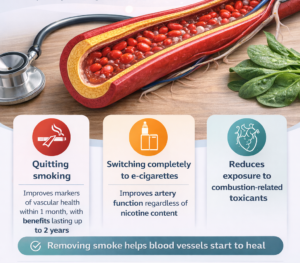
A central message of the paper is both simple and often misunderstood: people smoke for nicotine, but most smoking-related disease comes from burning tobacco.
Cigarette smoke contains thousands of toxic chemicals produced by combustion, including carcinogens and cardiovascular toxins. Oral nicotine pouches deliver nicotine without combustion, meaning exposure to harmful by-products is dramatically reduced.
What are oral nicotine pouches?
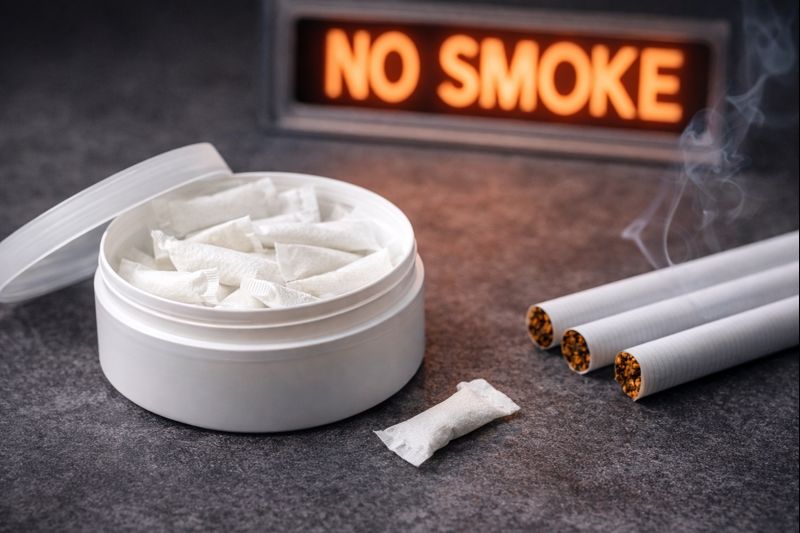
Oral nicotine pouches are small, cellulose-based pouches placed discreetly under the lip. They deliver pharmaceutical-grade nicotine but contain no tobacco leaf, generate no smoke, and produce no aerosol.
This makes them fundamentally different from cigarettes — and potentially much lower in toxicant exposure.
The authors emphasize that tobacco harm reduction is not about replacing cessation, but about providing pragmatic alternatives for adults who would otherwise continue to smoke. For these individuals, switching completely away from combustible products could significantly reduce health risks.
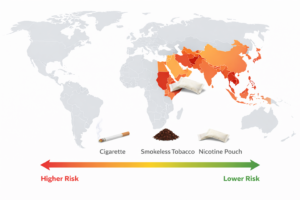
As Polosa, Rodu, and Fagerström explain, harm reduction strategies aim to move people down the risk continuum — away from the deadliest form of nicotine use: cigarette smoking.
What the evidence suggests
The article points to research showing non-detectable or extremely low levels of key carcinogens in oral nicotine pouches, including tobacco-specific nitrosamines. The authors also highlight Sweden’s long-standing experience with snus, a smokeless product comparable in use-pattern to ONPs. Sweden has reached daily smoking rates below 5% and population-level reductions in tobacco-attributable harm. This can be described as a real-world example of “smoking eradication” through substitution away from cigarettes.
While the U.S. FDA has authorized the legal marketing of oral nicotine pouches, other jurisdictions are restricting or banning them — policies that may unintentionally sustain cigarette consumption by removing lower-risk alternatives from the market. For adults who would otherwise keep smoking, oral nicotine pouches may represent a practical, smoke-free step away from cigarettes — and a potential tool to accelerate progress toward a future with far fewer deaths caused by combustible tobacco.
Reference
Polosa R, Fagerström K, Rodu B.
The emerging role of oral nicotine pouches in tobacco harm reduction.
Internal and Emergency Medicine (2025).
DOI: 10.1007/s11739-025-04237-2
Link: https://link.springer.com/article/10.1007/s11739-025-04237-2