New data from the Replica Project at CORESTA 2024
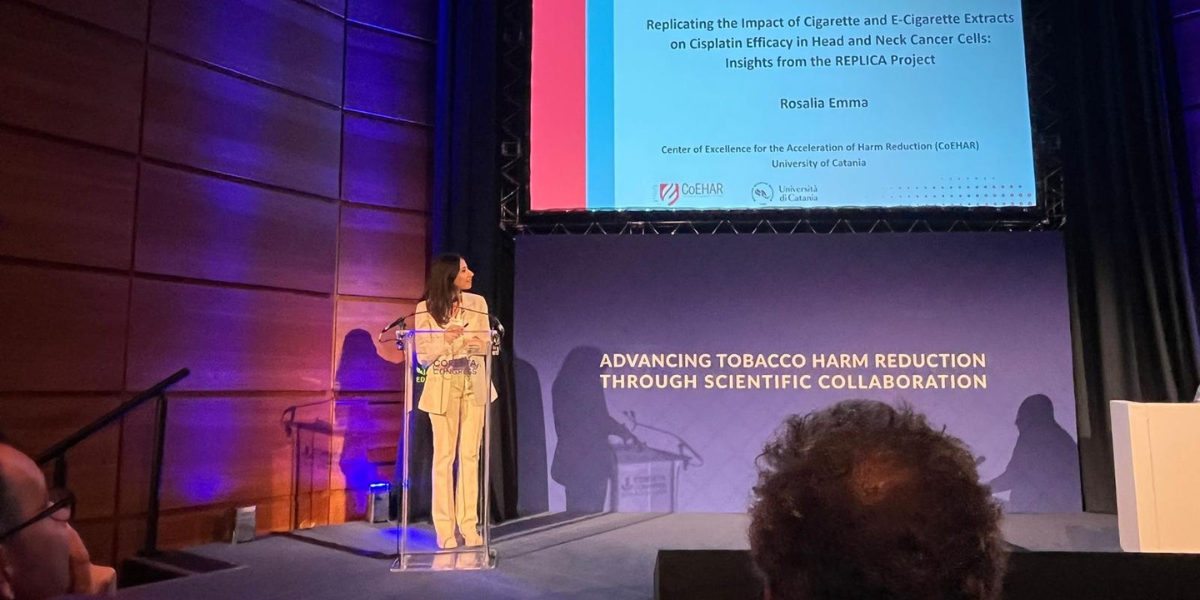
Dr. Lia Emma, CoEHAR researcher, participated in the 2024 CORESTA congress in Edinburgh to present the latest findings of the REPLICA project The CORESTA Congress focuses on fostering discussion and…
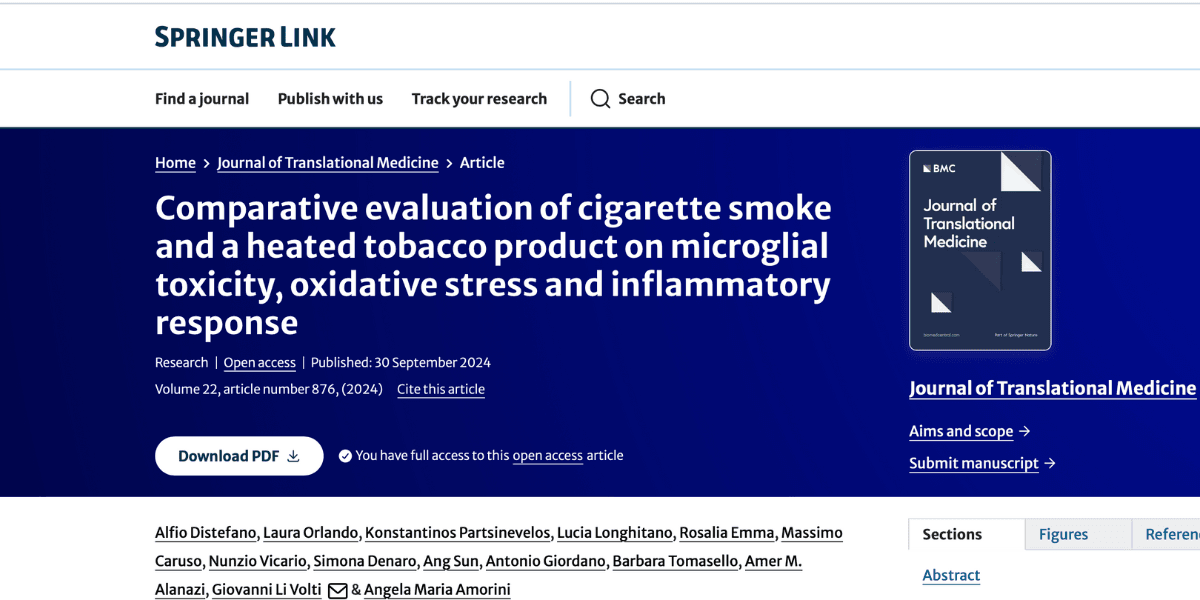
Researchers at CoEHAR recently published a unique study in scientific literature, analyzing the effects of cigarette smoke, aerosol from heated tobacco products, and nicotine on microglia cells, the "sentinels" of…
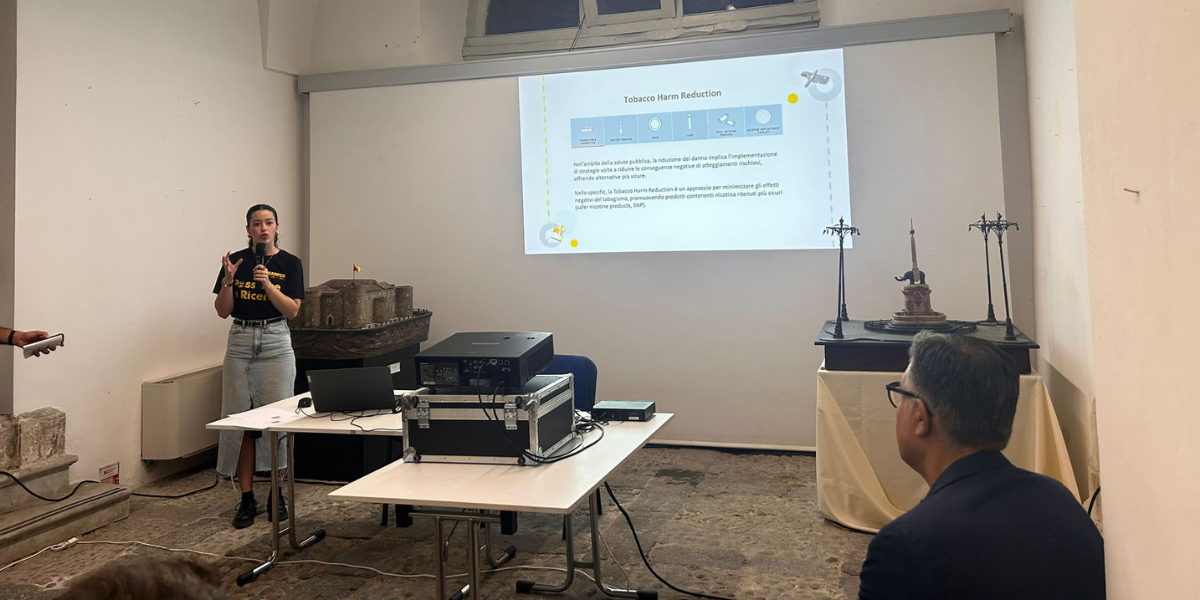
Sharper Night is an event dedicated to research and the members of the scientific community. This year, Chiara Giardina, winner of the KAC scholarship, addressed an audience of young students…
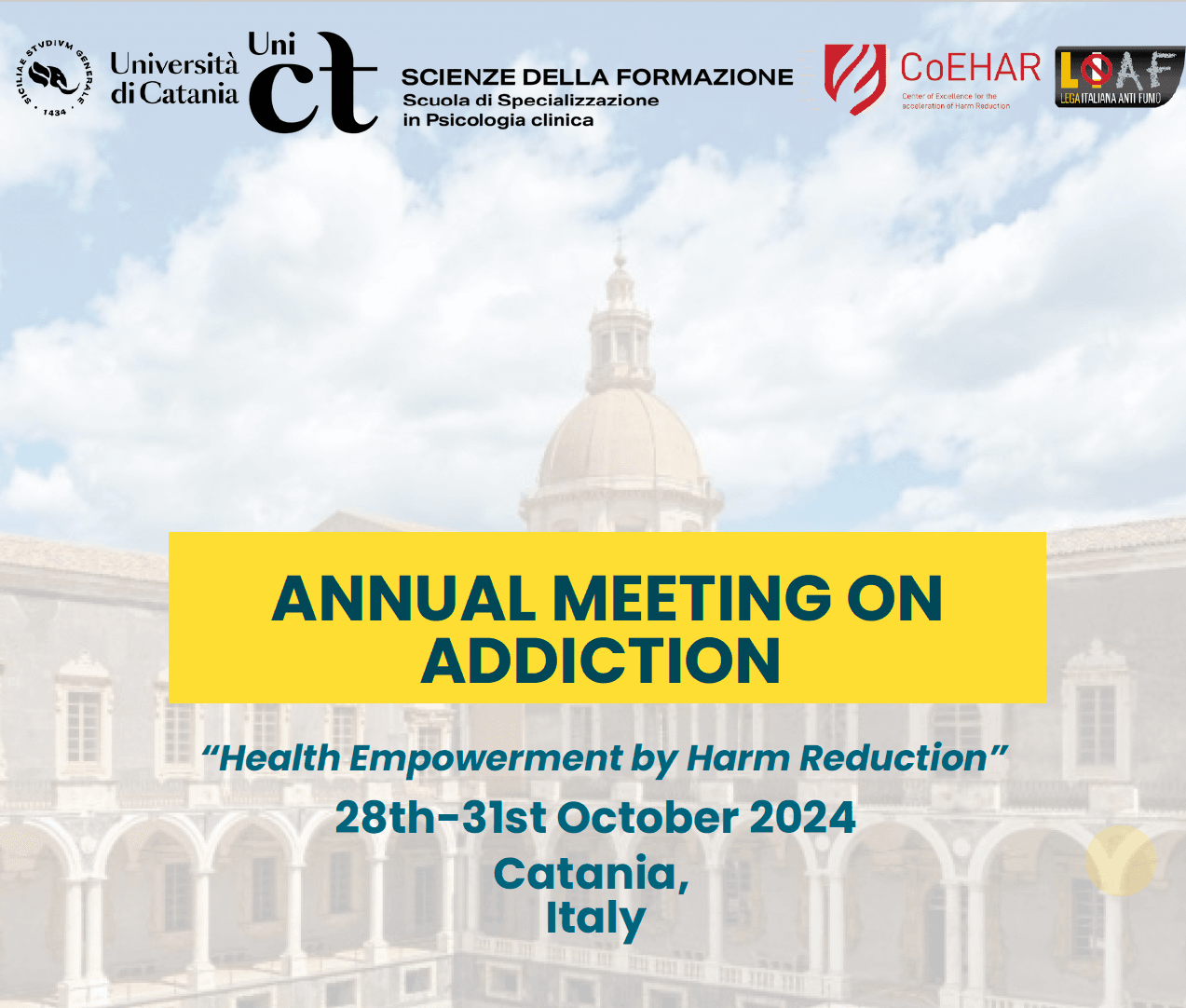
From October 28 to 31, Catania will host the annual international conference dedicated to addictions, with a specific focus on cigarette addiction and harm reduction strategies. The event will be…
Java, September 11, 2024 - CoEHAR, the Center of Excellence for the Acceleration of Harm Reduction established at the University of Catania in 2018, is expanding its activities by signing a letter…
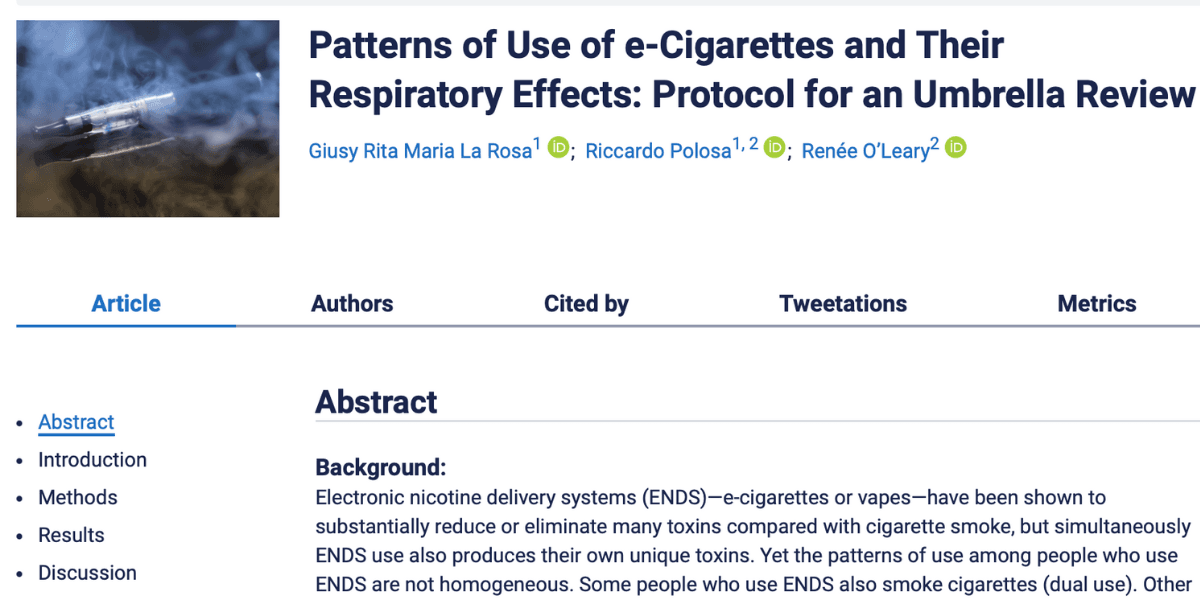
CoEHAR researchers published a new protocol for an umbrella review to present all the evidence available on the respiratory effects of ENDS use by adults based on their pattern of…
A new review conducted by CoEHAR researchers, and a pool of international experts analyzed the studies evaluating electronic cigarette emissions, confirming low levels of potentially harmful compounds, such as carbonyls,…
CoEHAR members has sent a letter to the Spanish Ministry of Health regarding the recent proposal to amend the anti-smoking law. This amendment could lead the Spanish government to restrict…
“It is important to know that the cause of the health impacts of smoking is actually caused by combustion and TAR, not nicotine itself. This alternative represents a way to avoid the dangerous consequences of burning and contributes to the reduction of risks due to smoking” said Polosa.
The study addresses the limitations of current definitions, which have often been adapted from adult smoking metrics without considering how these definitions’ relevance might be affected by the unique patterns and lower risk profiles of e-cigarettes.