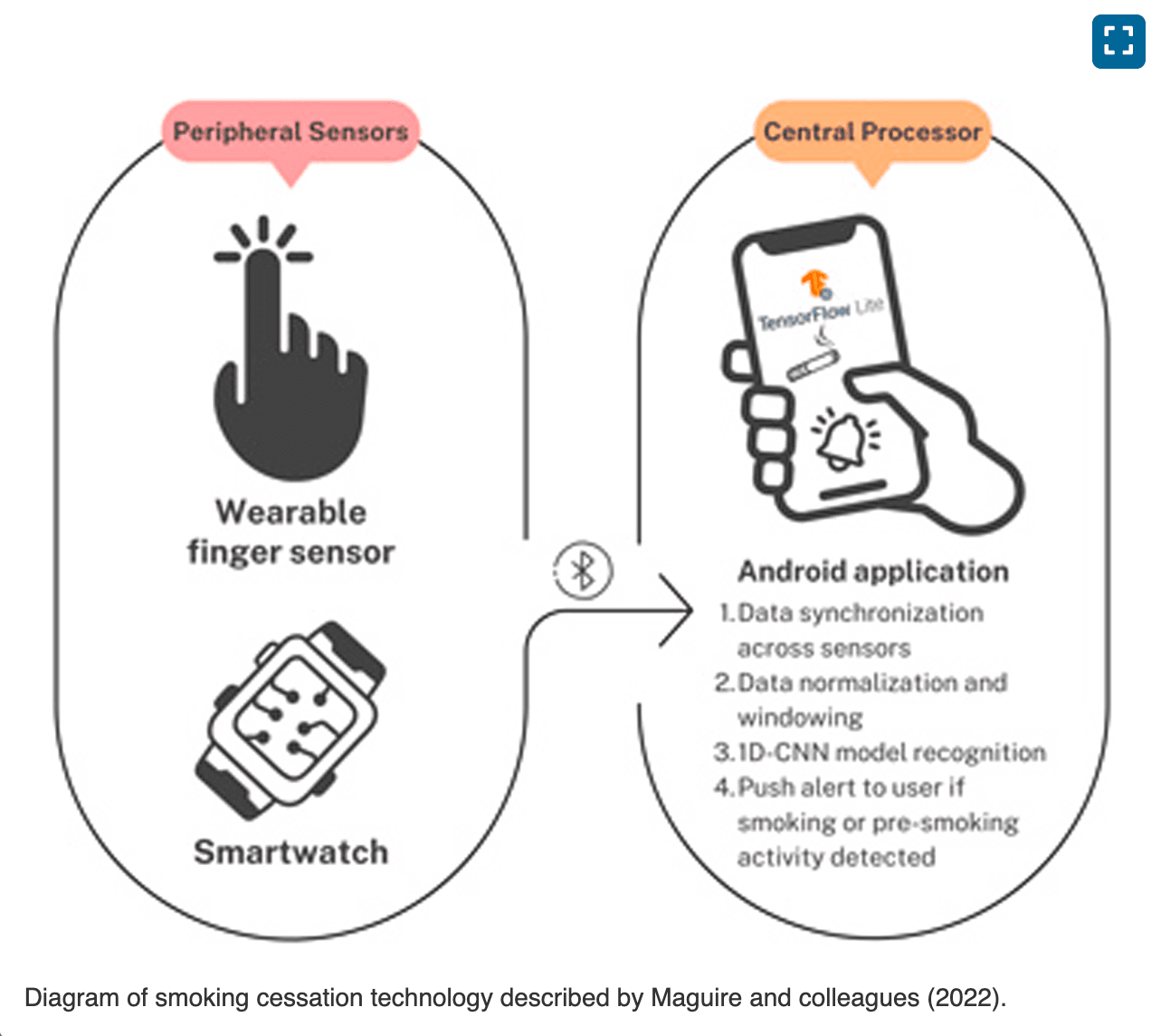
A systematic review of 49 studies, now published in the IEEE Journal of Biomedical and Health Informatics, takes stock of the growing field of digital tools for smoking cessation. Covering apps, wearable devices and AI algorithms, the research highlights systems that reach over 95% accuracy in laboratory settings — yet calls for clinical validation and field usability to make these technologies viable in public health programs.
Catania, July 7, 2025 – Digital technologies are opening up a new frontier in the global fight against smoking. This is confirmed by a systematic review just published in the IEEE Journal of Biomedical and Health Informatics by an interdisciplinary team of doctors, psychologists, and computer scientists at CoEHAR, the Center of Excellence for the Acceleration of Harm Reduction at the University of Catania. The analysis examined 49 scientific papers published between 2019 and 2023, focusing on the effectiveness of sensors, wearable devices, and mobile applications for monitoring smoking behavior and supporting cessation.
“Wearable technologies and mobile devices are radically changing the way we monitor risky behaviors,” said Prof. Riccardo Polosa, founder of CoEHAR. “Our goal is to develop intelligent tools that, through AI, can be easily integrated into public health programs and help people quit smoking for good.”
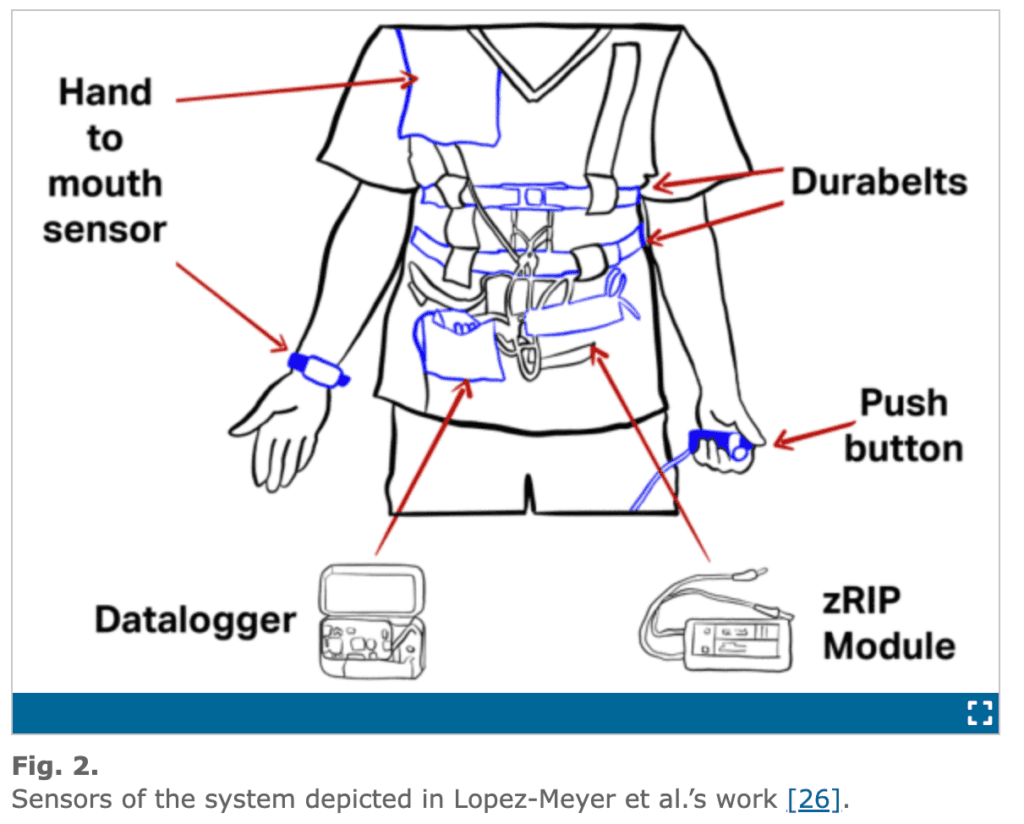
The most promising solutions combine machine learning algorithms with data from wearable sensors, achieving accuracy levels above 95% in controlled settings. However, large-scale adoption is still hindered by user variability, device battery life, and performance in real-life conditions.
The review identifies two main categories of systems: Automatic smoking detection tools, such as motion sensors, computer vision, and AI algorithms; Mobile applications for cessation, many of which are already available on iOS and Android. Some, like Pivot and CureApp, have undergone clinical trials and integrate biofeedback mechanisms and gamification techniques.
“These technologies must not only be smart, but also scientifically validated and truly effective,” emphasized Prof. Sebastiano Battiato, co-author of the study.
Among the most promising apps are Pivot, CureApp, Quit Genius, and Craving to Quit!, which combine CBT techniques, mindfulness, biofeedback, and motivational reward systems.

“Psycho-technological strategies,” concluded Dr. Mirko Casu, lead author of the paper, “allow us to tailor interventions to the specific characteristics of each smoker, making cessation more accessible, sustainable, and evidence-based.”
This research is part of the activities of the PNRR SAMOTHRACE project and the FAIR program, which aim to develop cutting-edge health technologies. The authors call for long-term clinical trials, shared evaluation standards, and more user-friendly interfaces to ensure that these tools can transition from research to routine clinical practice.