

New CoEHAR study evaluates the relation between Covid-19 and e-cigarette
The e-cigarette aerosol foster the transmission of the SARS-CoV-2 virus? According to the research, vaping add 1% risk to the already existing risks from breathing indoor
The e-cigarette aerosol foster the transmission of the SARS-CoV-2 virus? According to the research, vaping add 1% risk to the already existing risks from breathing indoor

What are the best practises the tobacco industry should follow to achieve a sustainable change through the innovation and regulation? This was the question that this year’s Global Tobacco and Nicotine Forum, GTFN 2020, focused on
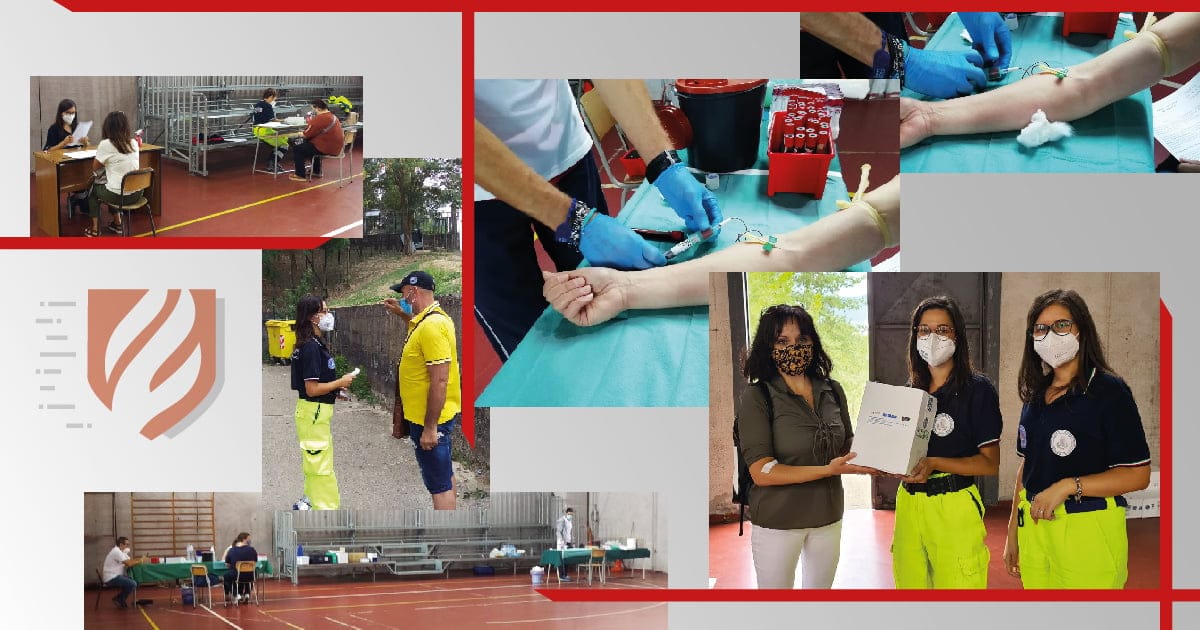
In the past few days, seroepidemiological tests on citizens have been performed to assess the impact of smoking on the Covid-19 infections on the most vulnerable part of the population. The subjects of the study were selected according to a multi-layered probabilistic sampling plan by gender and age on citizens from 5 to over 80 years old. Among them, the employees of the Oasi of Troina, many of whom were tested positive to the Covid-19 infection.

An article published in the Lancet triggers the reaction of the scientific community that supports the tobacco harm reaction policies.

Talking about tobacco harm reduction means embracing a plurality of behaviors, choices and products that can be confusing. We have deepened the subject with Dr. Renée O’Leary, author of the paper and COEHAR researcher
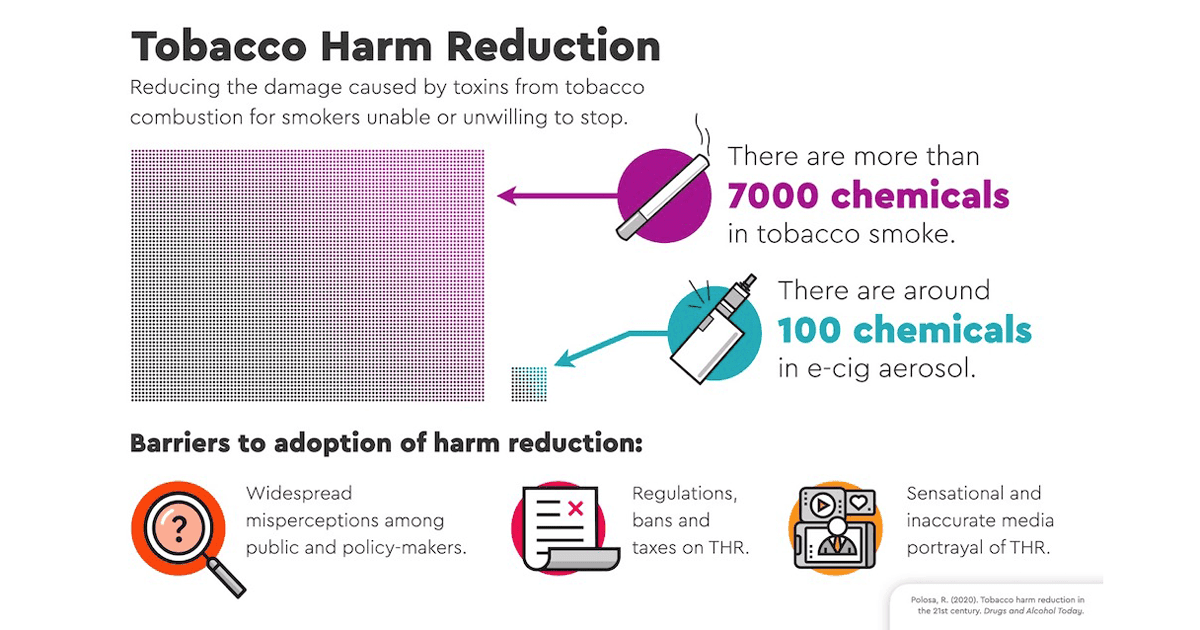
The article highlights why harm reduction is important, what are the ways to achieve harm reduction, particularly the use of snus, heated tobacco products and e-cigarettes and what are the barriers to use of such alternatives. This article is not a systematic or narrative review; it is an overview of recent studies on these products or devices. Industry conducted or funded studies were excluded from the review.
Toxicological testing, population studies, clinical trials and randomized controlled trials demonstrate the potential reductions in exposures for smokers. Unfortunately, socio-cultural and economics barriers, such as heavy taxation, misperceptions about nicotine and unsubstantiated fears of youth addiction, prevent low risk products to become accessible to all and a good choice for those who want to quit smoking.

The findings from a survey conducted by COEHAR researchers on almost 2000 participants showed a slight decrease in the consumption of cigarettes during the lockdown period and an increase in the purchase of products such as cigarettes and e-liquid

Catania, 8 June 2020 - The selection procedure for the award of 4 Research Fellowships is open to young graduates in various discipline: the deadline is June 26, 2020. The selection is part of the activities and research projects promoted by the COEHAR, the Center of Excellence for the Accelleration of Harm Reduction of the University of Catania, founded by Prof. Riccardo Polosa.

Prof. Riccardo Polosa talks about the Italian Government decision to close all the non-essential shops in Italy, vapeshops included

