
A new CoEHAR study just published in Harm Reduction Journal confirms that smoking traditional cigarettes carries the highest risk of respiratory wheezing, while exclusive use of e-cigarettes shows no significant differences compared to people who have never smoked or vaped. This is a highly relevant investigation, conducted on more than 9,000 Scottish adults: it is one of the first large-scale European studies to document such results, moving beyond evidence predominantly based on U.S. samples and helping to strengthen the global picture on vaping and respiratory health.
The research team analyzed data collected in Scotland between 2017 and 2019, dividing participants into three groups: exclusive smokers, exclusive vapers, and never users. The analysis revealed a clear relationship: the risk of wheezing increases in proportion to the number of cigarettes smoked per day. By contrast, no statistically significant differences were observed among exclusive vapers compared to never users.
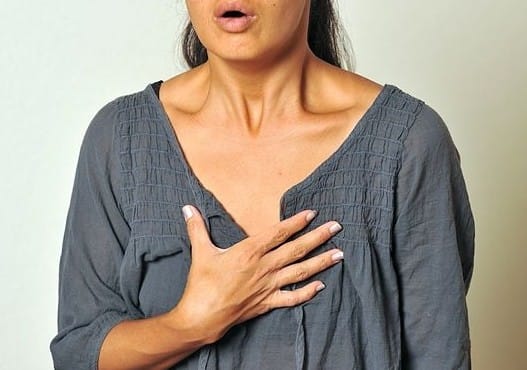
Wheezing is an abnormal respiratory sound, similar to a high-pitched whistle, most noticeable during exhalation. It is a clinical symptom typically found in smokers, particularly those affected by asthma or COPD.
The study offers a significant snapshot that reinforces the role of combusted tobacco as the main driver of respiratory symptoms, while exclusive e-cigarette use appears to be associated with a much lower risk.
The authors emphasize the importance of future prospective studies, able to assess the evolution of symptoms and long-term effects with objective clinical tools — such as respiratory tests and biomarkers.
Prof. Riccardo Polosa, founder of CoEHAR, added:
“This research confirms that cigarette smoking causes respiratory damage in direct proportion to the intensity of consumption. Exclusive use of e-cigarettes, while not risk-free, appears to be a concrete harm reduction strategy for those unable to quit completely. Cessation remains the safest choice, but for smokers, vaping can represent a clearly less harmful alternative.”