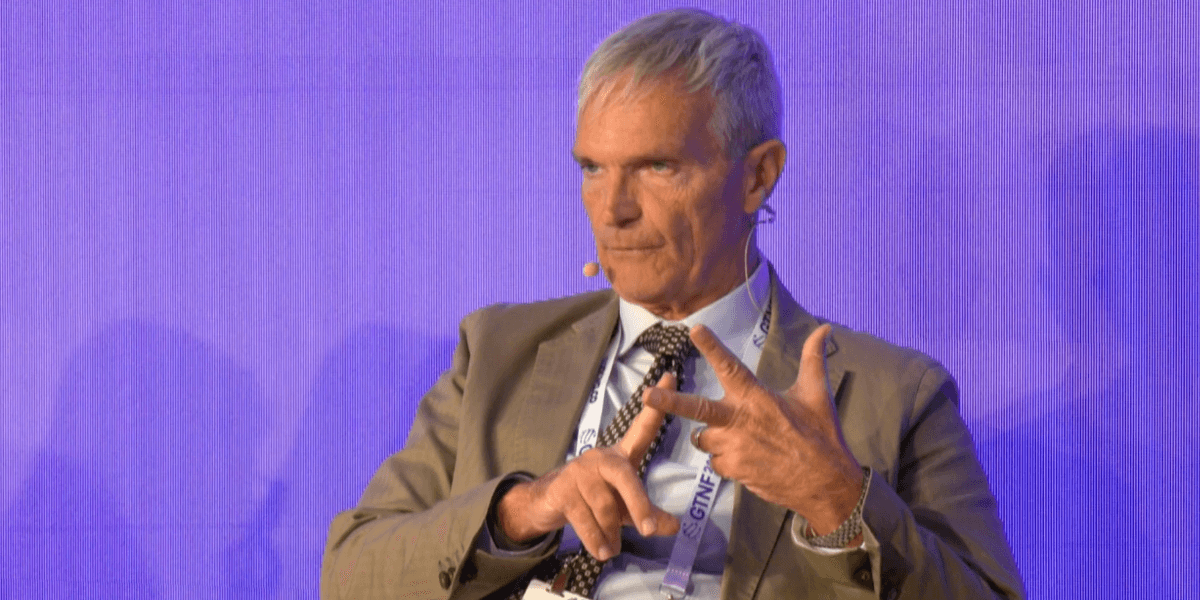
Prof. Riccardo Polosa took part in the 2025 edition of GTNF, the Global Tobacco and Nicotine Forum — a leading conference dedicated to the tobacco, nicotine, and future solutions sector — held this year in Brussels.
The GTNF is one of the most highly anticipated events in the tobacco and nicotine world: every year, health experts, researchers, industry professionals, and investors come together to discuss the sector’s future outlook, share strategies, and exchange ideas and insights.
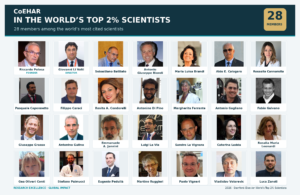
Once again this year, CoEHAR (Center of Excellence for the Acceleration of Harm Reduction) participated in the conference, sharing the experience of its researchers and data from its scientific activities.
Representing the Catania-based center was its founder, Prof. Riccardo Polosa, who today took part in the panel “Nicotine Misperceptions,” dedicated to the many misconceptions that persist among consumers regarding nicotine, tobacco, and smoke-free products.
According to studies conducted in the United States — but reflective of similar situations in many countries around the world — nearly 94% of smokers or e-cigarette users believe that reduced-risk products, and the vapor they emit, are just as harmful — if not more — than traditional cigarette smoke. Among dual users, that percentage stands at around 80%.
The same goes for nicotine: many smokers and vapers still believe it to be directly responsible for smoking-related diseases and cancer, a claim that has been thoroughly debunked by international scientific research.
“From the very beginning, the world of e-cigarettes has seen the rise of myths about their use and potential health risks — who could forget the ‘EVALI’ scare or the fear over high levels of heavy metals in e-liquid?” said prof. Riccardo Polosa during his talk.
“Unfortunately, I fear we haven’t made significant progress since then. However, thanks to working with a passionate team, we’ve started thinking about how to correct this wave of misinformation in a highly practical way — by thinking outside the box.”
Professor Polosa explained that it’s essential to identify three specific target audiences to maximize the impact of researchers and communicators in the harm reduction field:
First, colleagues — doctors, researchers, and healthcare professionals — who need to be engaged differently than through traditional formats such as scientific conferences or events.
“I believe we need to engage this group more proactively, and one way to do that is by using the Delphi consensus method. This approach allows for active expert participation. By presenting a set of postulates for reflection and encouraging the pursuit of consensus (or the highlighting of disagreement), we can not only build a shared understanding but also stimulate debate on areas that remain unclear.”
The second target is researchers, as the scientific community still faces issues related to misinterpretation of results and the use of non-standardized methodologies.
And the third — and most important — target is the public itself, the users of these products:
“We need to try to communicate with them and start a positive dialogue about harm reduction strategies.”