
The new report “Cigarettes to Smiles”, released by the Oral Nicotine Commission, highlights the growing role that nicotine pouches – oral nicotine pouches (ONPs) – may play in safeguarding oral health and improving the chances of success in smoking cessation.
What are the new frontiers of harm reduction? Which tools or devices should public health authorities focus on to help the millions of smokers who fail to quit every day? With around 1.27 billion smokers worldwide and 3.7 billion people affected by oral diseases of varying severity, the question is anything but trivial.
According to “Cigarettes to Smiles”, the third report published by the Oral Nicotine Commission – an independent group of scientists, physicians and public health experts – the answer may be a surprising one: oral nicotine pouches could serve a dual purpose, acting both as cessation tools and as products capable of supporting measurable improvements in oral health.
Unlike cigarettes and combusted tobacco products, oral nicotine pouches offer:
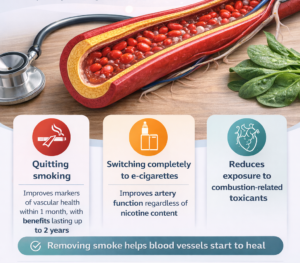
- nicotine intake without combustion, thus avoiding exposure to the thousands of toxic substances released by cigarette smoke;
- the absence of tobacco, which eliminates exposure to nitrosamines and other compounds linked to oral lesions and cancer;
- no inhalation, with consequent benefits for the lungs and respiratory system;
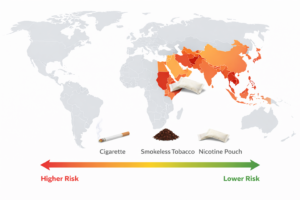
- one of the lowest risk profiles among currently available nicotine delivery options.
According to the Cochrane Review — whose latest update was published in 2025 — no serious adverse effects have been reported among ONP users. The review also confirms the potential of these products as effective harm reduction tools. In parallel, toxicological studies show 60–90% reductions in biomarkers of exposure to carcinogens compared with traditional smoking.
Population-level data further underscore compelling examples from Sweden and Canada. In Sweden, the combined use of snus and ONPs has helped maintain one of the lowest lung cancer mortality rates in Europe, alongside growing adoption among women thanks to the product’s greater social acceptability. Canada, meanwhile, may become the first country in the world to approve an ONP as an NRT (nicotine replacement therapy).
Supporting the report’s findings are also results from the international SMILE project, coordinated by CoEHAR in Catania, which is demonstrating with clinical evidence that switching from combustion to smoke-free alternatives yields measurable benefits in a short time.
Prof. Riccardo Polosa comments: “This report confirms what we have been observing for years with the SMILE project at CoEHAR: when smokers switch to combustion-free products, the benefits for oral health are clear and measurable. Less plaque, fewer stains, an overall improvement in the appearance of the smile — these are concrete results, not opinions. Oral nicotine pouches offer an additional tool to accelerate this change and provide smokers with a truly effective way out.”
Despite the accumulating evidence, the report notes that WHO and FCTC still do not adequately recognise harm reduction in their guidelines, continuing to place ONPs in the same risk category as combustible cigarettes. Experts are calling for risk-proportionate policies, clear quality standards, greater affordability and full integration of ONPs within cessation programmes.
Download the report