
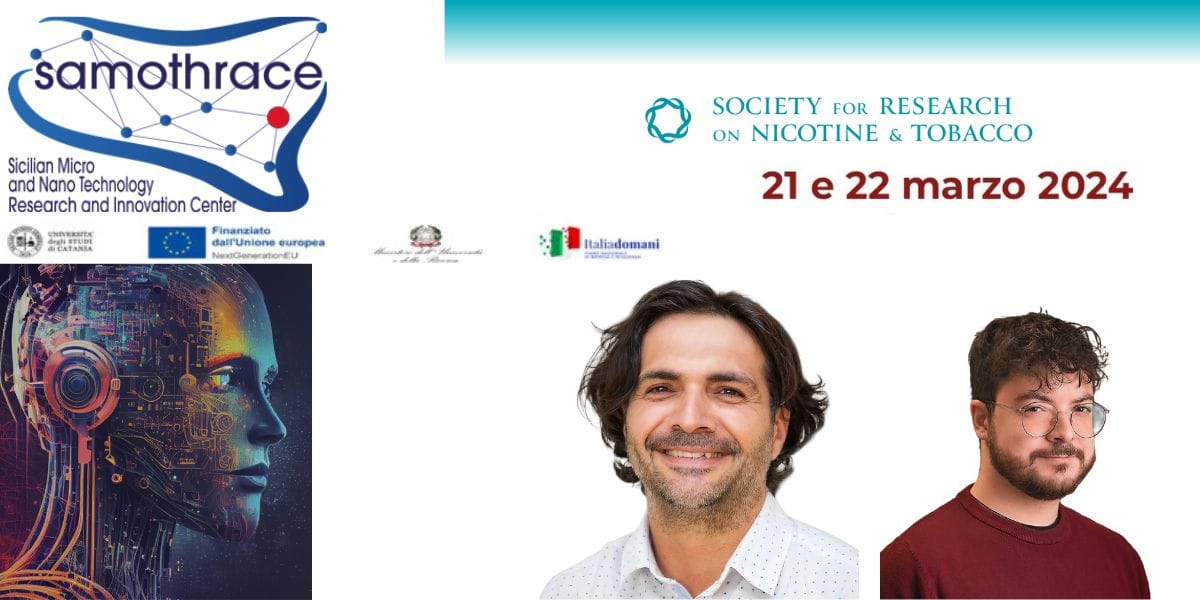
Caponnetto, 21 March: double presence at “Conference Of Digital Psychology” and SRNT
Professor Pasquale Caponnetto and doctoral candidate Mirko Casu will join two international conferences on "Digital Psychology" and Tobacco Harm Reduction (SRNT)
Professor Pasquale Caponnetto and doctoral candidate Mirko Casu will join two international conferences on "Digital Psychology" and Tobacco Harm Reduction (SRNT)
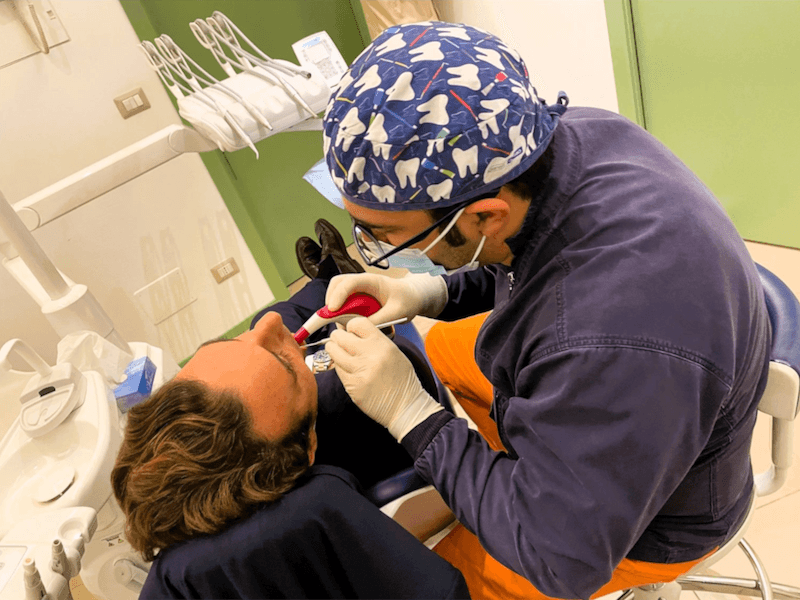
The study has been designed with the help of experts from Germany, UK, Italy, Poland, Moldova, and Indonesia. SMILE study is being conducted in four dental clinics across four different countries (Italy, Poland, Moldova, and Indonesia). Volunteer enrollment was completed in August 2023 and results will be expected to be available in 2025.
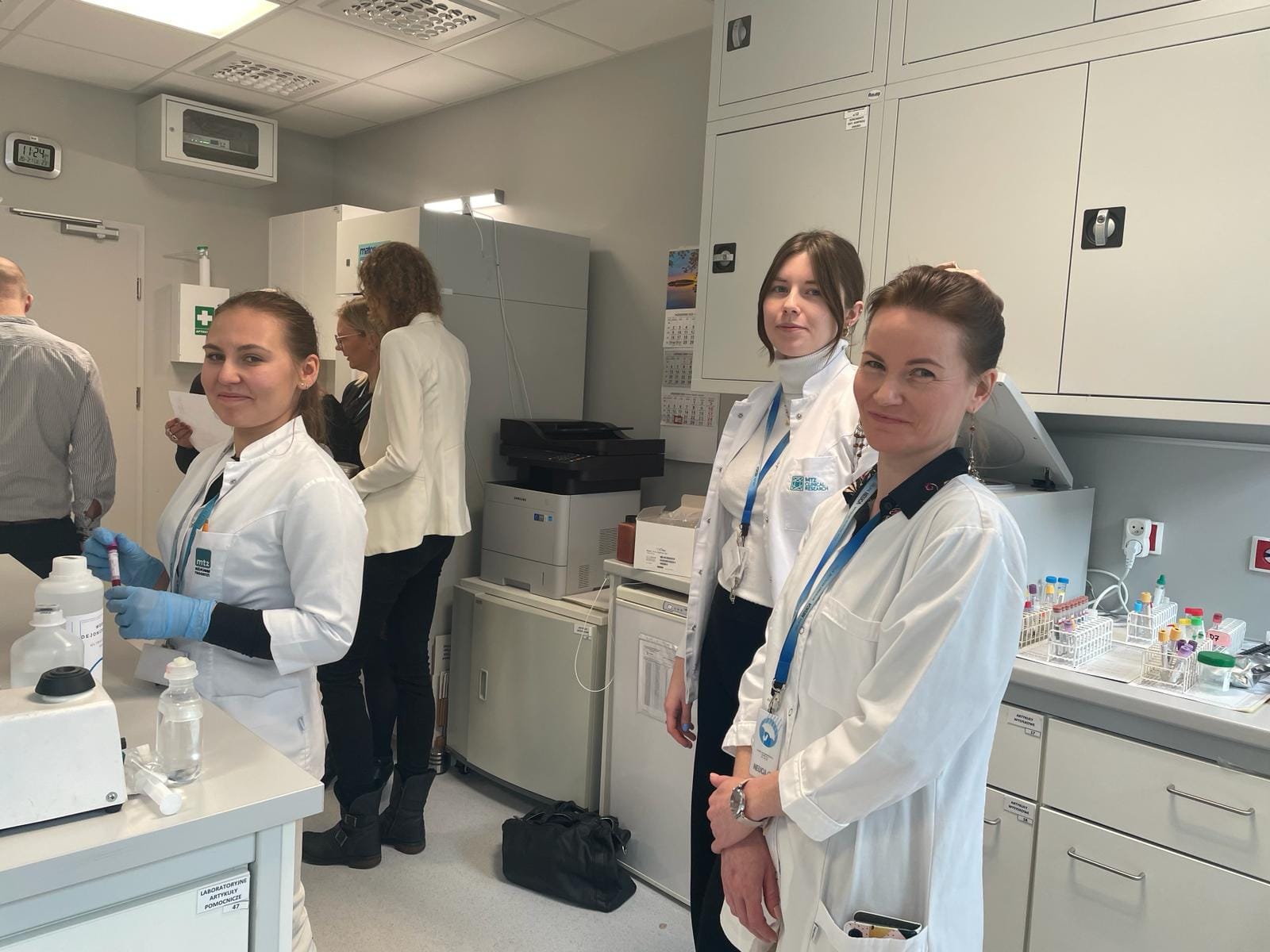
On Tuesday, February 20th, the MAGNIFICAT Project, coordinated by CoEHAR, hosted a pivotal workshop in Warsaw, Poland, to bring together all partners involved in in-depth discussions and hands-on exercises focusing…
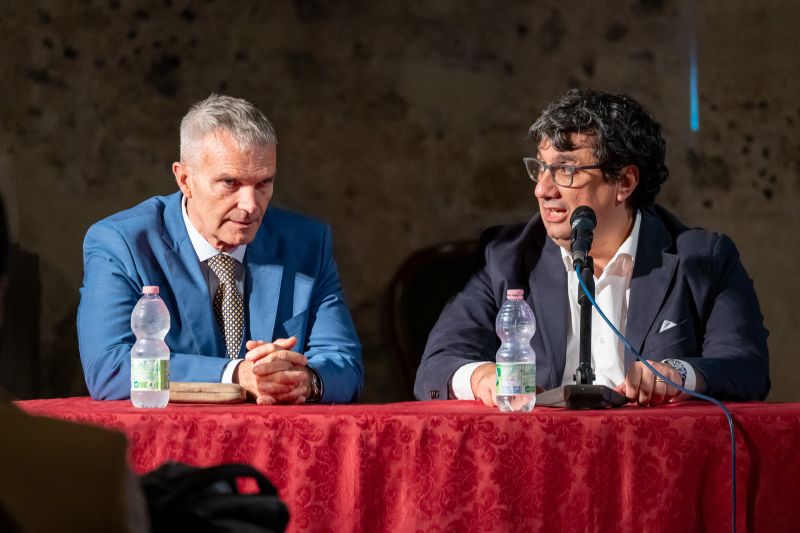
The CoEHAR Council (made up of 71 of the 95 members of the Center of Excellence of the University of Catania), meeting in an online session, reconfirmed their trust in…
In order to continue a positive collaboration with the partners, CoEHAR researchers organized the Annual Replica International Meeting which will be held at the Torre Biologica in Catania, Italy from 25th to 29th March.
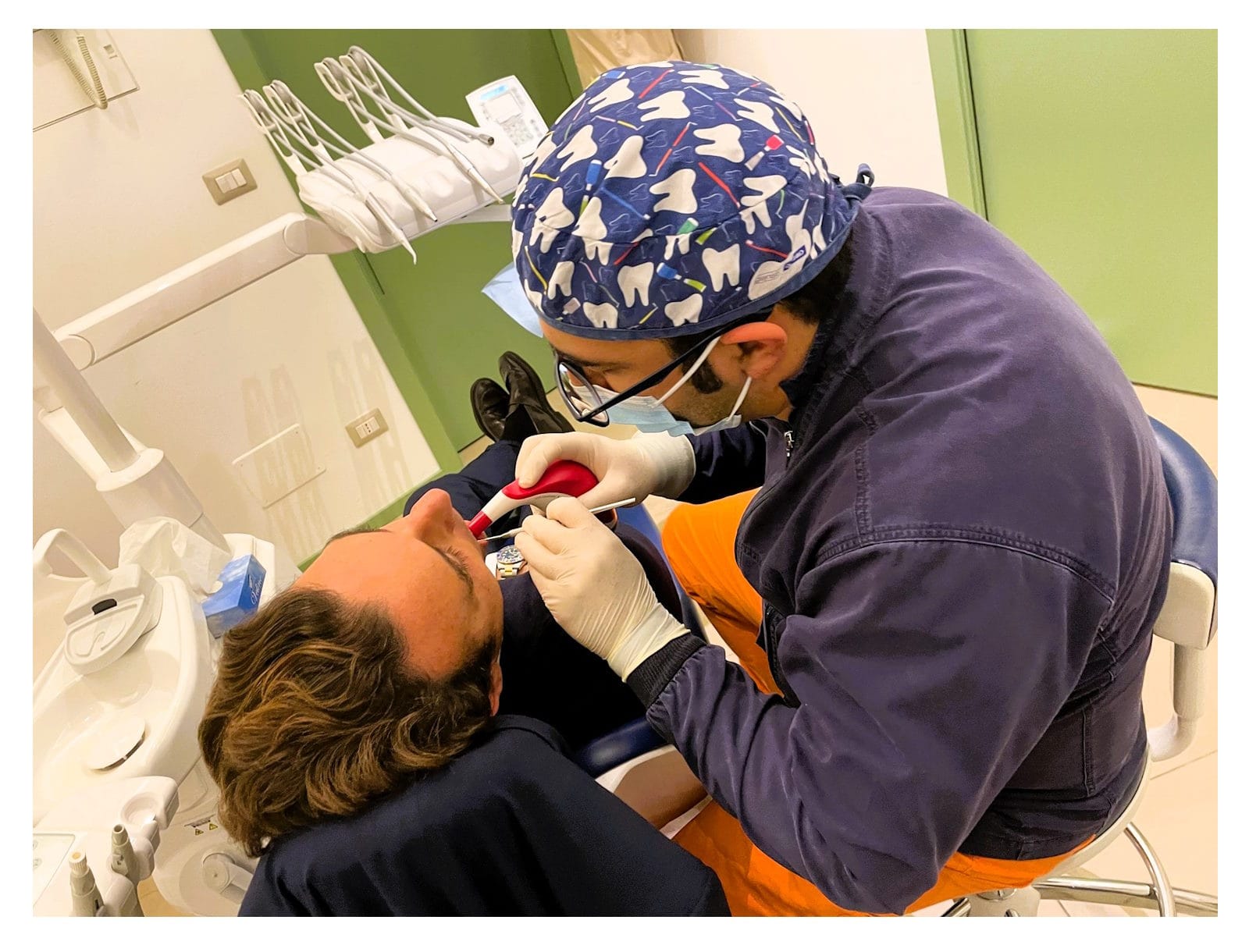
The study marks the first of its kind, shedding light on a novel aspect of oral health among users of combustion-free nicotine products. These findings underscore the aesthetic benefits associated with ECs and HTPs use, signifying a significant departure from the well-known dental color implications of tobacco smoking. As patients increasingly prioritize aesthetics, evident in the growing prevalence of purely cosmetic dental procedures, and with smoking being a prevalent factor, this result serves as a compelling incentive to quit smoking.

A group of researchers from the University of Catania conducted a review on numerous available databases to assess the effectiveness of protocols using magnetic stimulation to treat gambling disorders. A…
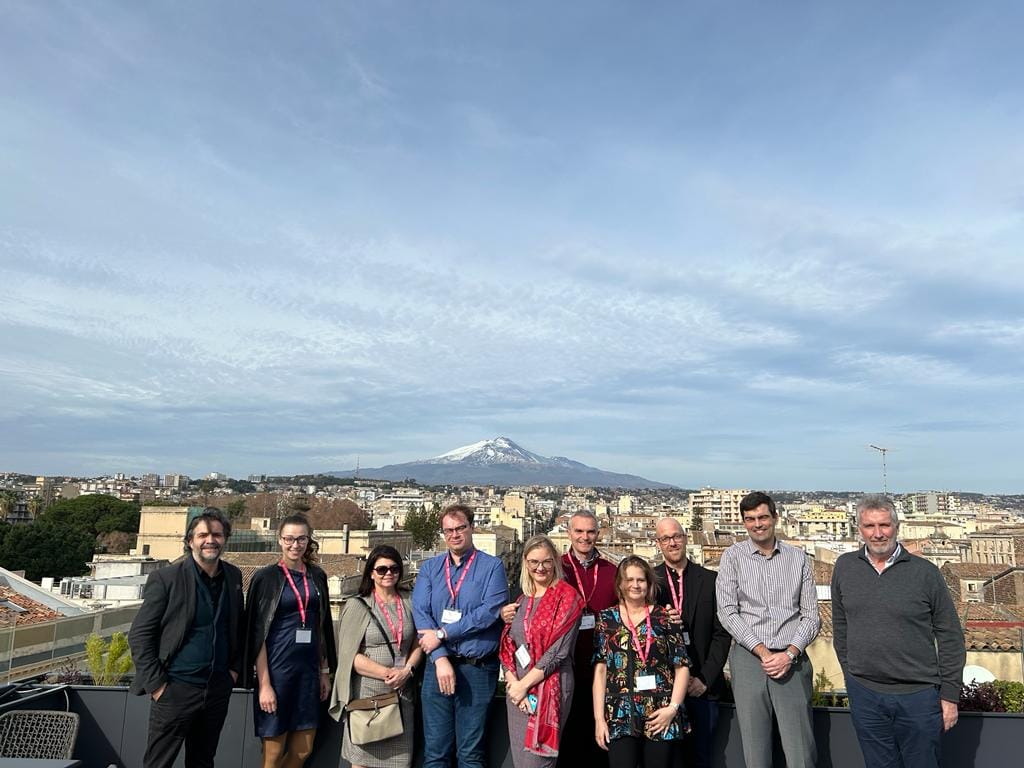
On 19th January, in Hotel Palace Catania, there was a Kick-Off meeting held by CoEHAR, its Partners: ABF GmbH from Germany, PRATIA MTZ from Poland and supporting Parties such as…
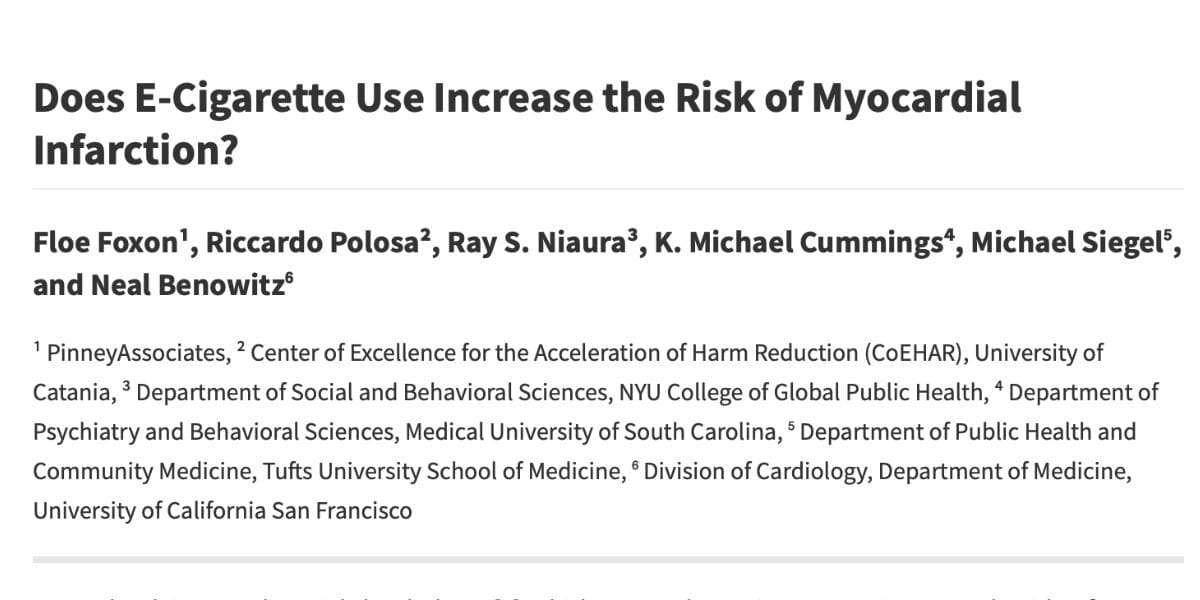
The COEHAR founder, prof. Riccardo Polosa, in collaboration with experts from US (Floe Foxon, Ray S. Niaura, K. Michael Cummings, Michael Siegel and Neal Benowitz) published a commentary to analyze data and methodologies used to support the paper’s conclusions.
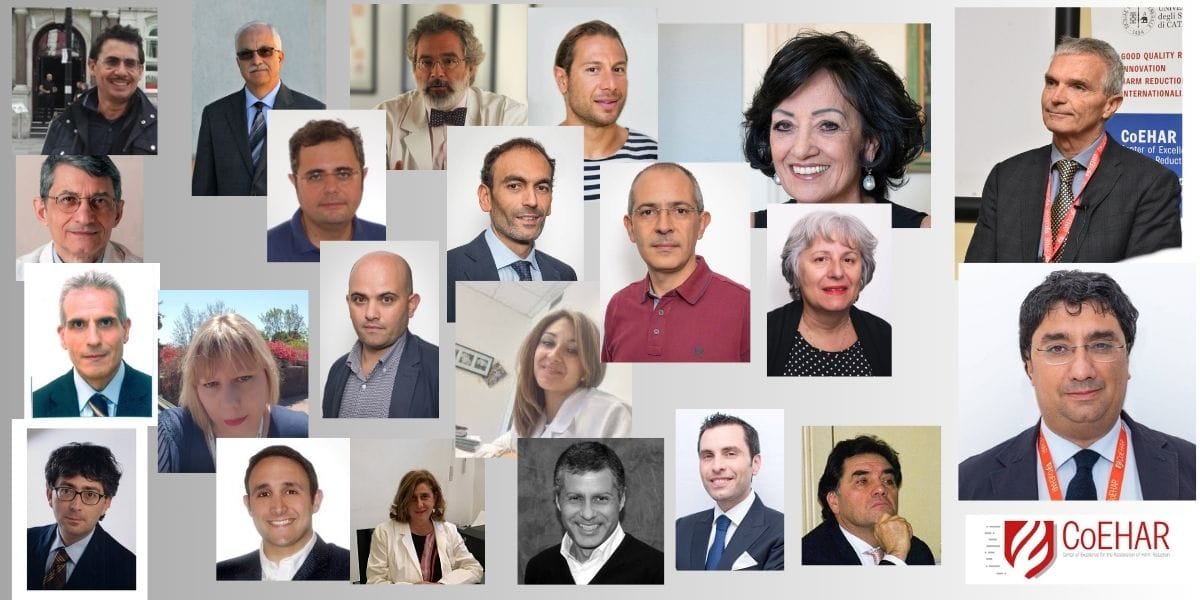
However, this year, in addition to Professor Polosa, 21 researchers from the Center of Excellence for the acceleration of Harm Reduction of the University of Catania are honored for their work and included in the database. They are: Sebastiano Battiato, Antonino Belfiore, Maria Luisa Brandi, Aldo Calogero, Filippo Caraci, Rosita A. Condorelli, Filippo Drago, Margherita Ferrante, Antonio Gagliano, Fabio Galvano, Giuseppe Grasso, Antonino Gulino, Gaetano Isola, Emmanuele Jannini, Rosalia Maria Leonardi, Sandro La Vignera, Giovanni Li Volti, Gea Oliveri Conti, Eugenio Pedullà, Venerando Rapisarda, Martino Ruggieri.