Brazil vs Italy – Treatment and Care. The Experience of the Brazilian Visiting Researcher at CoEHAR

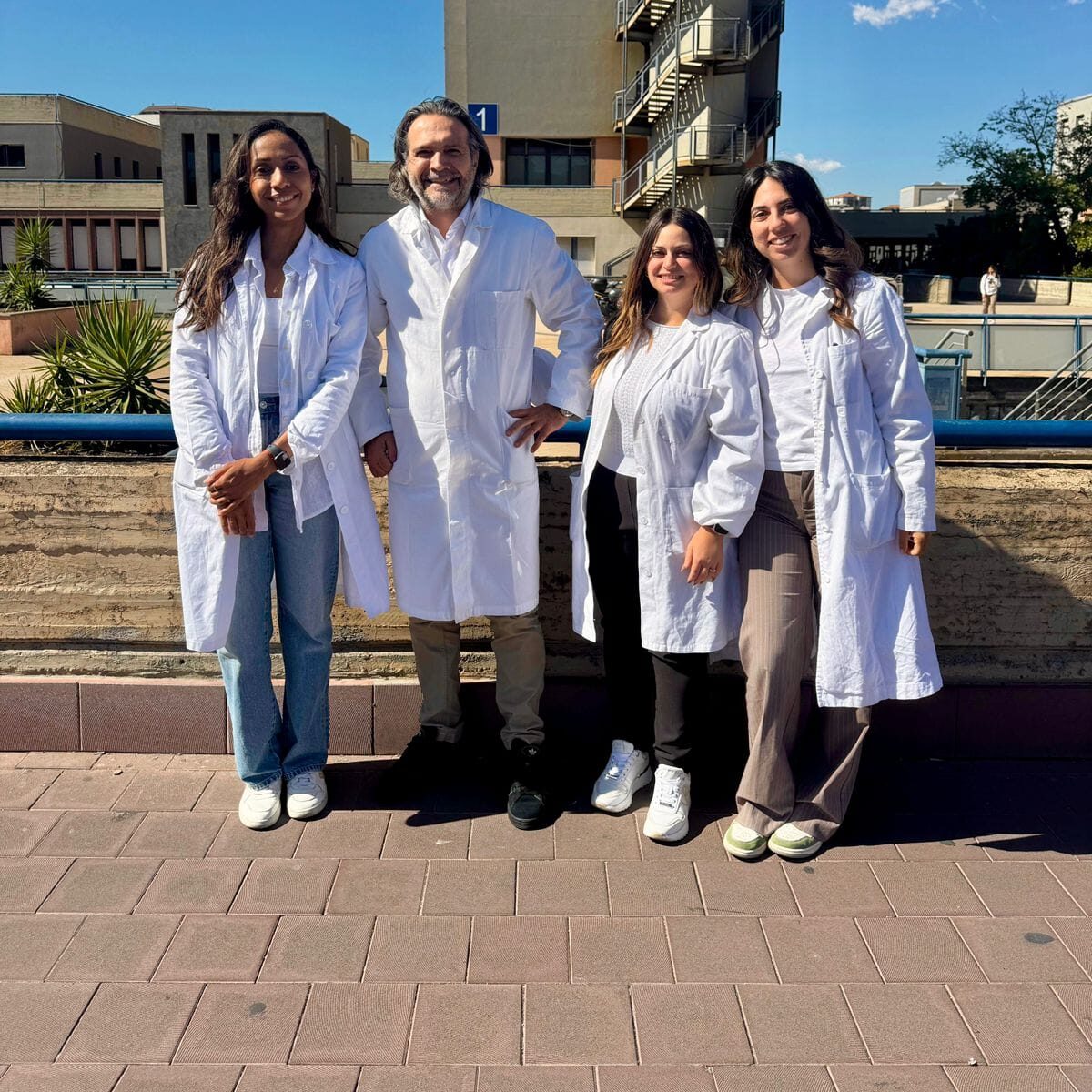
The CoEHAR had the pleasure of welcoming Dr. Lygia Sampaio, pulmonologist and researcher at the University of São Paulo (Brazil), during her visit to the Department of Education Sciences (DISFOR) at the…
Continue ReadingBrazil vs Italy – Treatment and Care. The Experience of the Brazilian Visiting Researcher at CoEHAR

Study Finds Switching to Vapes or Heated Tobacco Products Boosts Aerobic Fitness in Just Weeks

Catania, Italy, 4 June 2025 - A groundbreaking study published in Scientific Reports reveals that smokers who switch to electronic cigarettes (ECs) or heated tobacco products (HTPs) can achieve significant improvements in aerobic…

Continue ReadingStudy Finds Switching to Vapes or Heated Tobacco Products Boosts Aerobic Fitness in Just Weeks

New Respiratory Symptoms Tool Confirms: Vapers and Heated Tobacco Users Report Fewer Lung Symptoms Than Smokers

Catania, May 2, 2025 – Smokers who quit—either entirely or by switching to alternatives such as e-cigarettes or heated tobacco products—report significantly fewer respiratory symptoms compared to those who continue…

Continue ReadingNew Respiratory Symptoms Tool Confirms: Vapers and Heated Tobacco Users Report Fewer Lung Symptoms Than Smokers

Experts from 11 Countries Join Forces to Tackle Tobacco’s Hidden Impact on Dental Health

Catania, April 22 - A recent expert review published in the Journal of Dentistry highlights the compounded oral health challenges faced by smokers. Beyond the well-known risks of lung and heart diseases,…

Continue ReadingExperts from 11 Countries Join Forces to Tackle Tobacco’s Hidden Impact on Dental Health

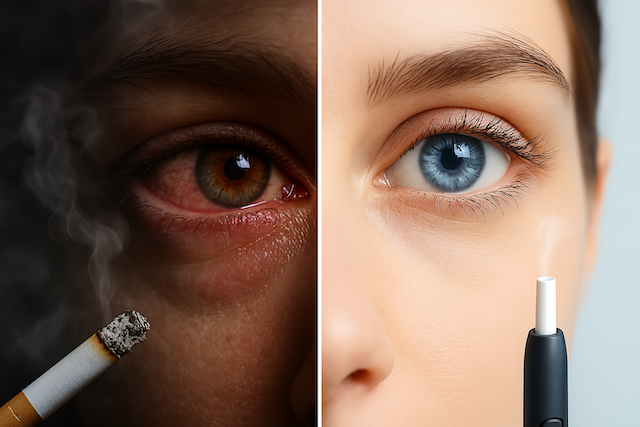
CoEHAR publishes the world’s first study assessing the impact of modified-risk products on eye health

Toxic compounds released by cigarette smoke are linked to inflammation and oxidative stress in the eye, both of which are risk factors for more severe ocular diseases. But what happens…

Continue ReadingCoEHAR publishes the world’s first study assessing the impact of modified-risk products on eye health