

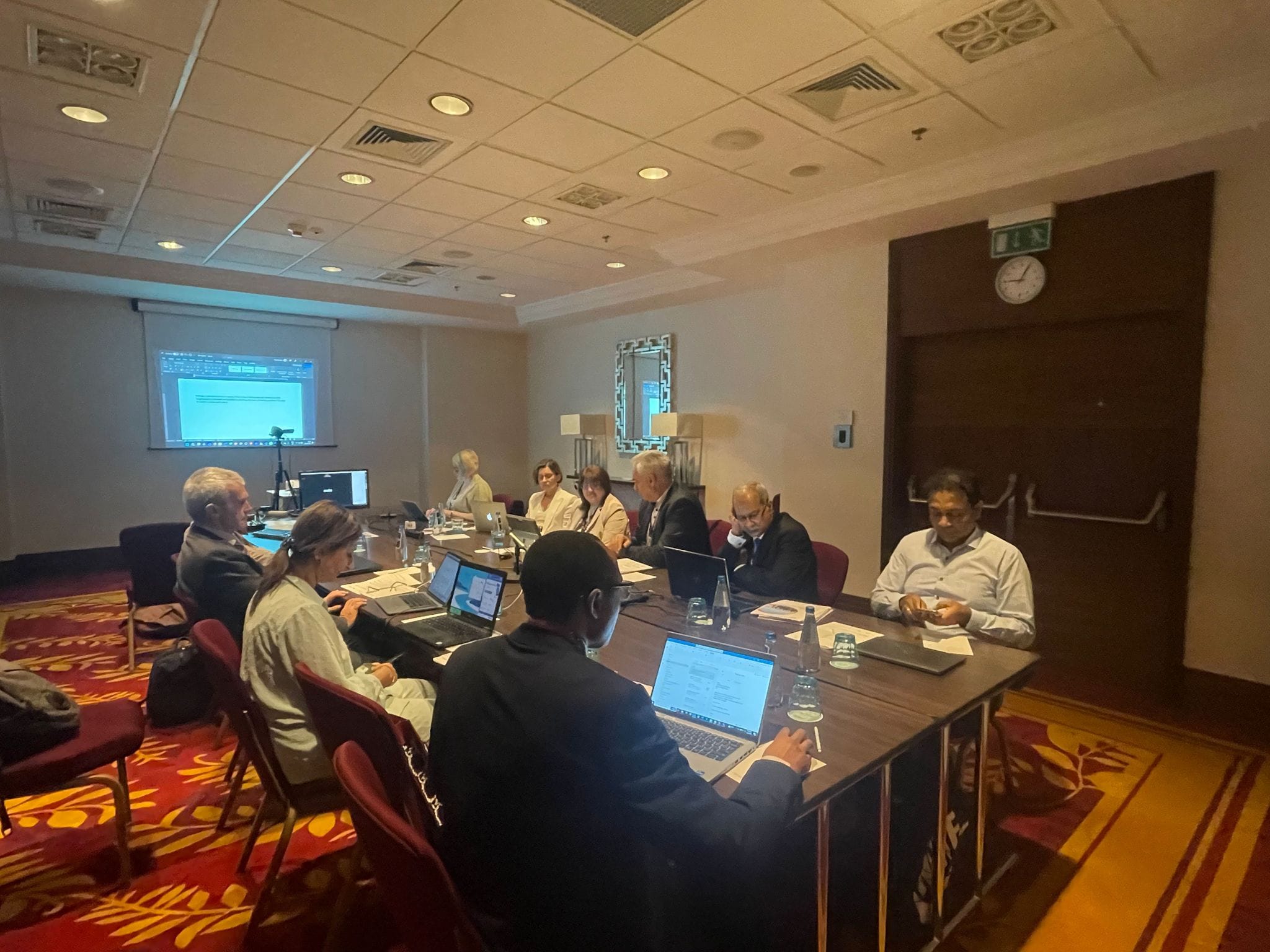
Kick-off meeting of MAGNIFICAT, the new CoEHAR project
This study, strongly advocated by Prof. Riccardo Polosa, aims to investigate the consequences of the combined use of conventional cigarettes and electronic cigarettes on human health.
This study, strongly advocated by Prof. Riccardo Polosa, aims to investigate the consequences of the combined use of conventional cigarettes and electronic cigarettes on human health.

The study found that the antismoking medication varenicline can increase rates of smoking abstinence without causing serious adverse events.
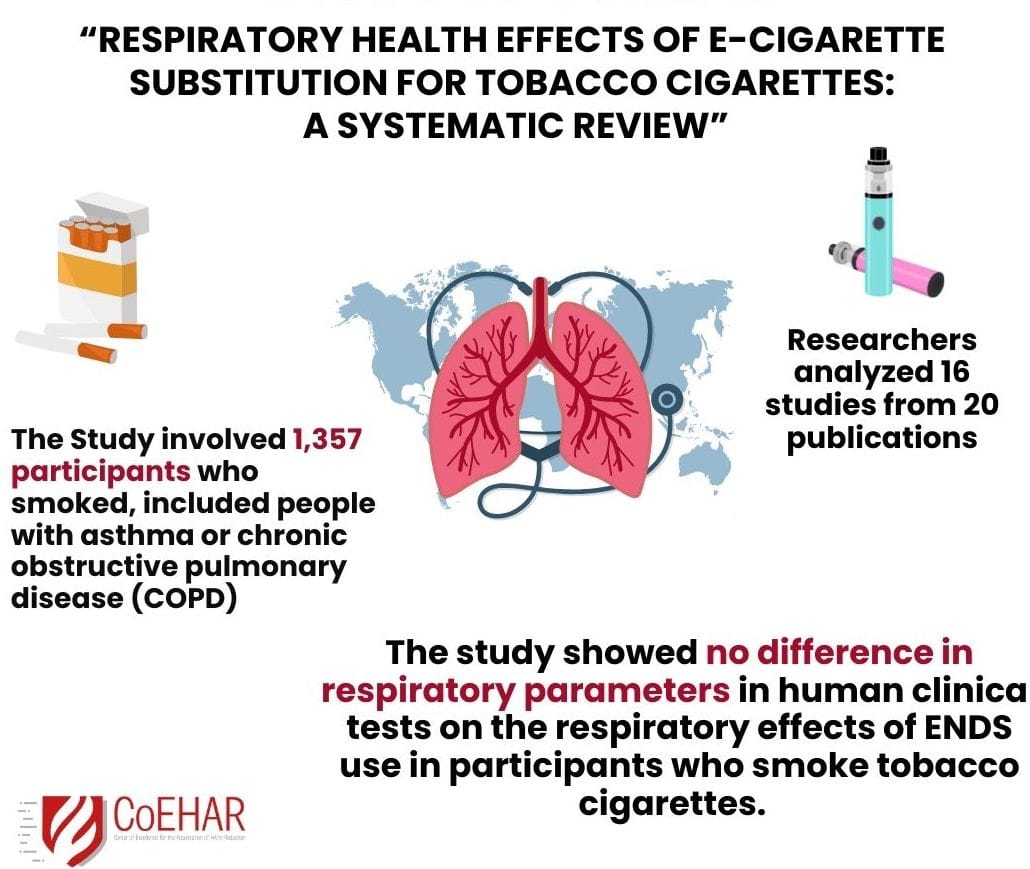
In their work “Respiratory health effects of e-cigarette substitution for tobacco cigarettes: a systematic review”, researchers analyzed 16 studies from 20 publications: most of the studies showed no difference in respiratory parameters. This indicates that electronic nicotine delivery systems substitution for smoking likely does not result in additional harm to respiratory health.
Two CoEHAR researchers will be part of this great event: The CoEHAR Director, Giovanni Li Volti, who is also PI of the replica project, will discuss the latest results of the Replica project and the IN silicon Science Pi, Dr. Renée O’Leary, will present her latest work.
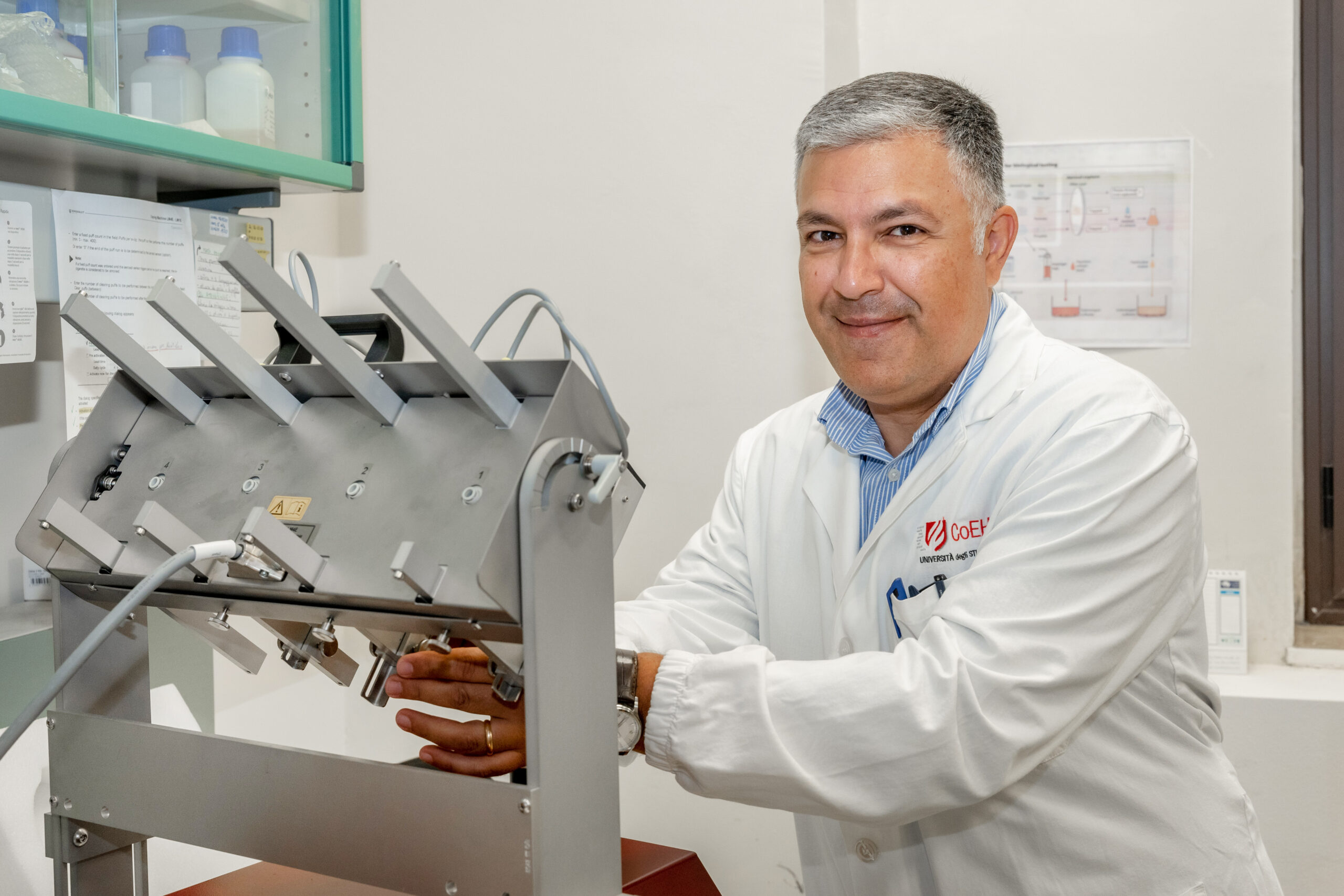
Replica researchers performed a standard toxicology battery of three assays used for product assessment and regulatory applications.
The DiaSmokeFree Working Group send a letter to the American Diabetes Association (ADA) expressing concern and seeking correction of a couple of statements in the ADA guidelines regarding the use…

As requested by experts in the letter: "Our hope is that, in light of scientific evidence, the FCTC and the European Union conduct a careful, balanced, and transparent review of the available scientific evidence regarding non-combustible products, compared to conventional cigarettes, to provide indispensable information for making decisions in the interest of millions of smokers."

“𝑊𝑒 𝑛𝑒𝑒𝑑 𝑡𝑜 𝑐𝑜𝑙𝑙𝑎𝑏𝑜𝑟𝑎𝑡𝑒 𝑡𝑜𝑔𝑒𝑡ℎ𝑒𝑟 𝑠𝑜 𝑡ℎ𝑎𝑡 𝑒𝑣𝑒𝑟𝑦 𝑠𝑖𝑛𝑔𝑙𝑒 𝑎𝑟𝑡𝑖𝑐𝑙𝑒 𝑏𝑒𝑐𝑜𝑚𝑒𝑠 𝑎𝑛 𝑒𝑑𝑢𝑐𝑎𝑡𝑖𝑜𝑛𝑎𝑙 𝑡𝑜𝑜𝑙. 𝑊𝑒 𝑑𝑜𝑛'𝑡 𝑤𝑎𝑛𝑡 𝑡𝑜 𝑝𝑢𝑛𝑖𝑠ℎ 𝑎𝑢𝑡ℎ𝑜𝑟𝑠 𝑓𝑜𝑟 𝑡ℎ𝑒𝑖𝑟 𝑗𝑢𝑛𝑘 𝑝𝑎𝑝𝑒𝑟𝑠, 𝑤𝑒 𝑤𝑎𝑛𝑡 𝑡𝑜 𝑝𝑟𝑜𝑣𝑖𝑑𝑒 𝑡ℎ𝑒 𝑠𝑜𝑙𝑢𝑡𝑖𝑜𝑛 𝑡𝑜 𝑖𝑚𝑝𝑟𝑜𝑣𝑒”

The findings presented by CoEHAR researchers can contribute the discussions of ENDS for cessation and support harm reduction strategies in the world.

“However, it is important to understand a fact when talking about smoking: even today, nicotine is believed to play a major role in the developing of atherosclerosis” explains prof. Polosa “Nicotine does not cause atherosclerosis. In a survey conducted by SERMO on 1000 Italian doctors, it was found that 62 percent of the sample still think that atherosclerosis is caused by nicotine. The fact that 33 percent of the sample is made up of cardiologists is significant".

