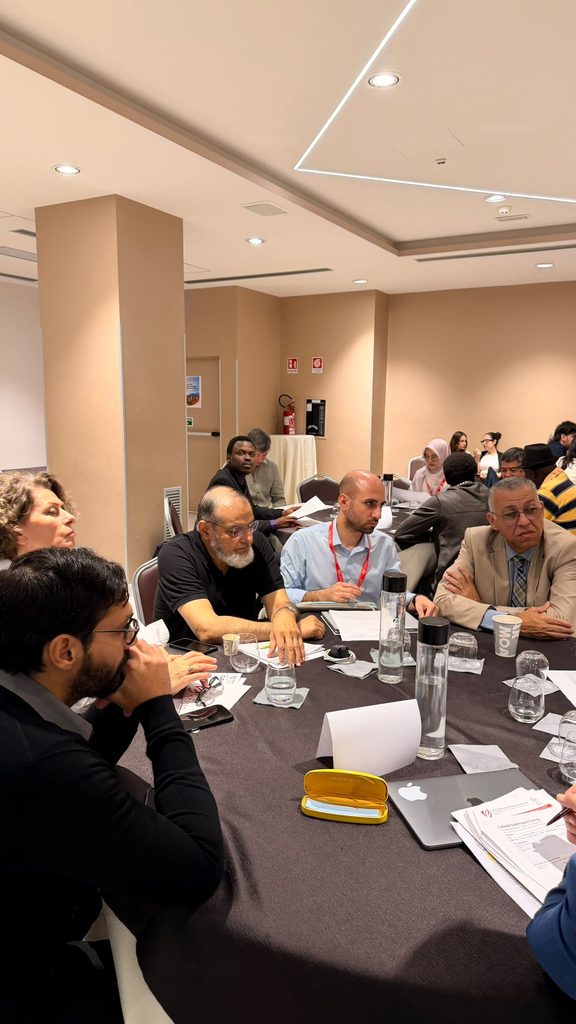
Researchers and healthcare professionals from across the world gathered in Catania for three days of scientific exchange, hands-on learning and collaborative research planning, creating new opportunities for international partnerships in tobacco harm reduction and public health.
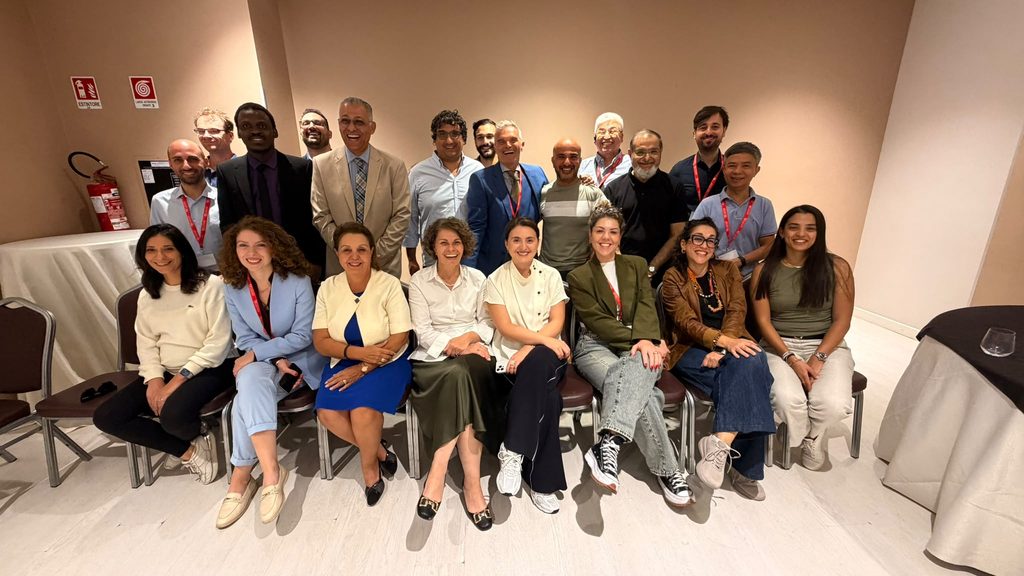
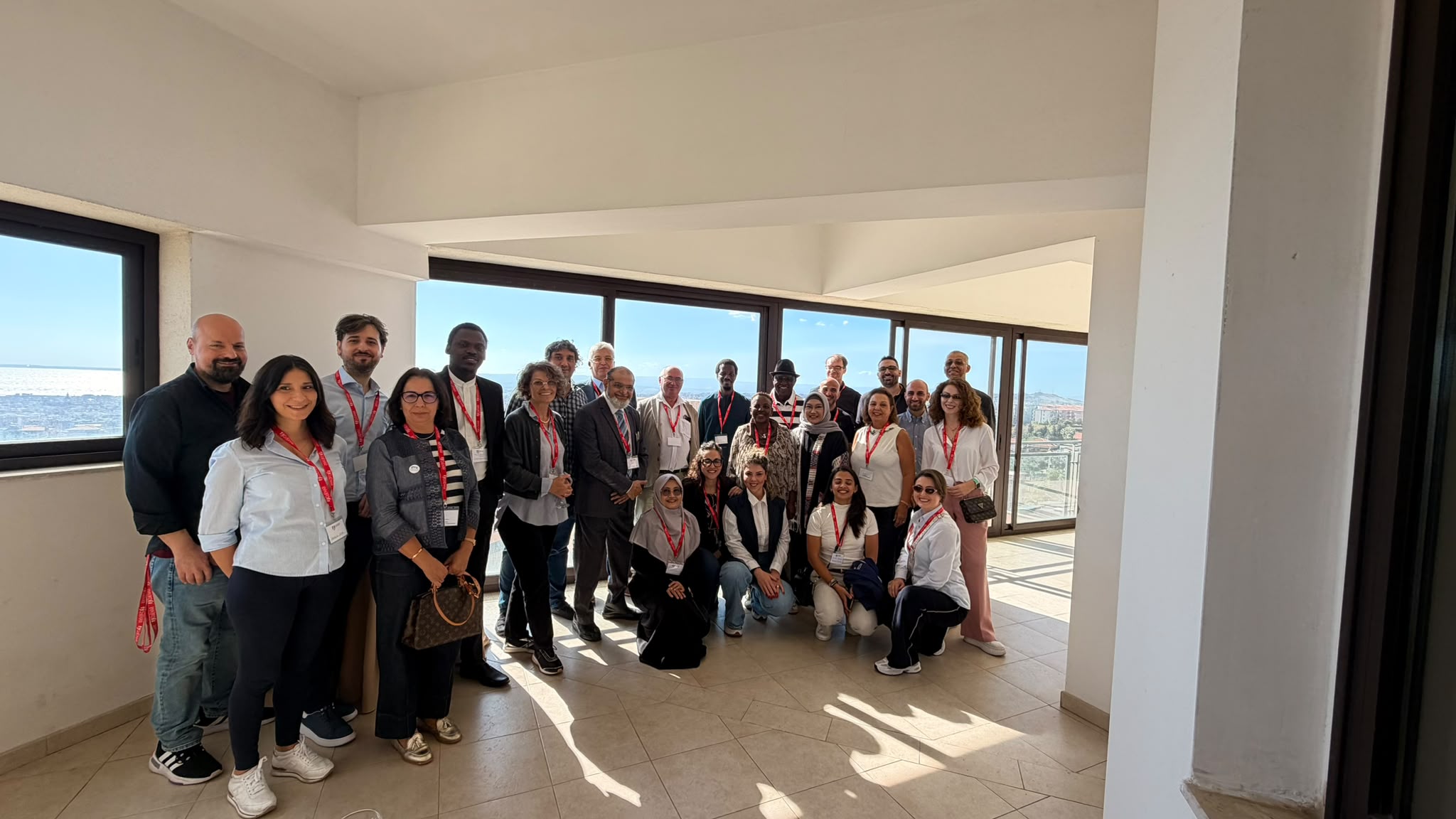
From 27 to 29 October 2026, the Center of Excellence for the Acceleration of Harm Reduction (CoEHAR) at the University of Catania hosted the CoEHAR International Workshop 2026, bringing together a network of researchers, clinicians and public health experts from 12 different countries for an intensive programme designed not simply to discuss research, but to build the foundations for future studies together.
Led by Professor Giovanni Li Volti, CoEHAR Director, and Professor Riccardo Polosa, CoEHAR Founder, the three-day initiative combined scientific presentations, laboratory activities, multidisciplinary discussions and interactive co-design sessions, to explore a new approach to scientific cooperation: moving beyond the presentation of research findings to the joint development of future studies.
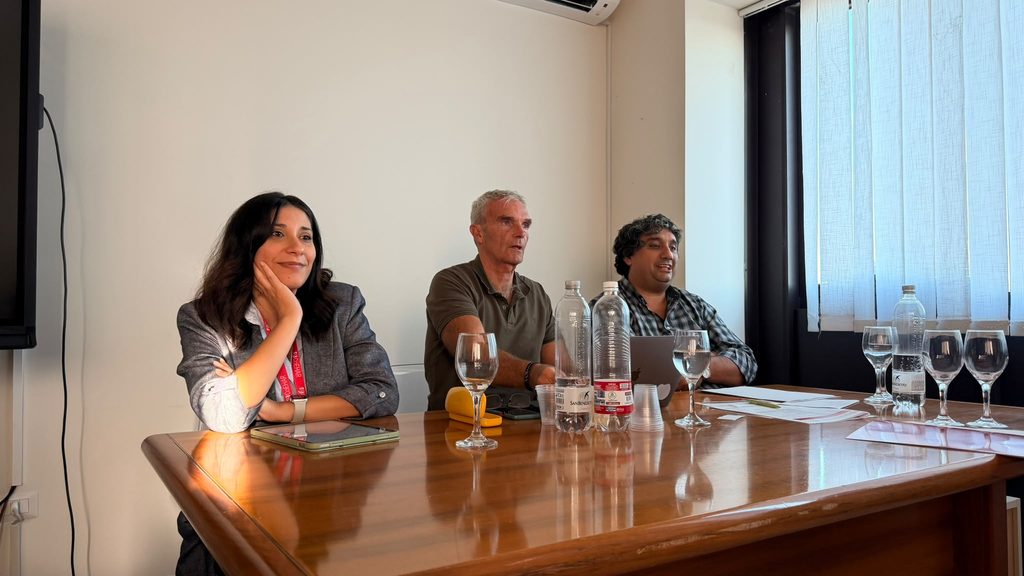
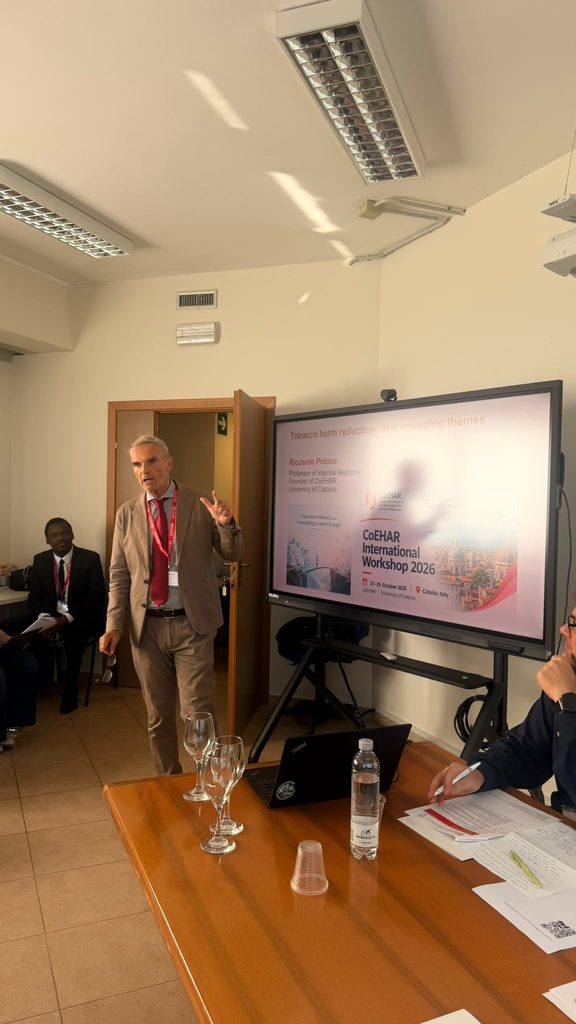
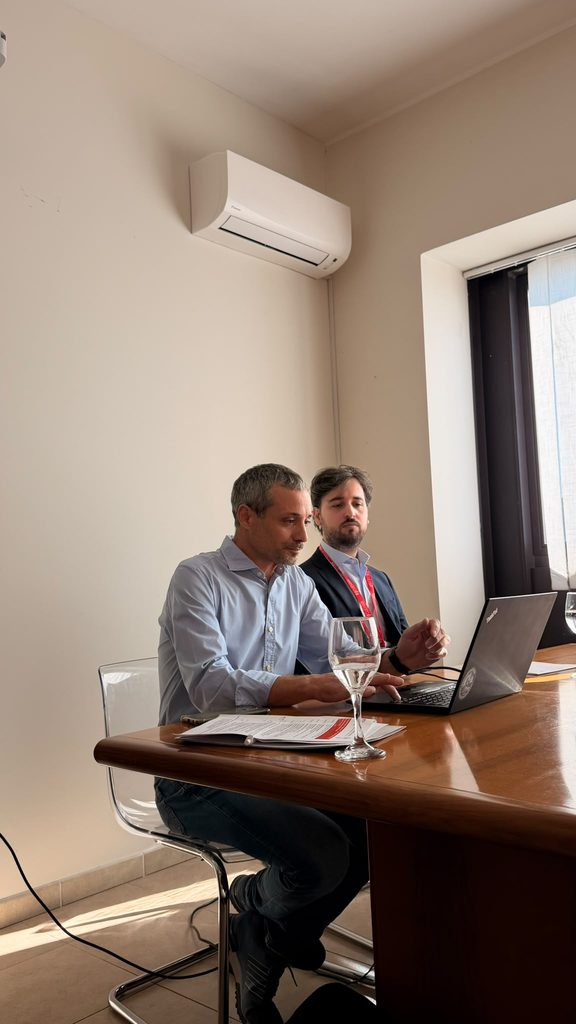
Opening the workshop, Li Volti outlined CoEHAR’s international network, research achievements and future priorities, highlighting the importance of building lasting scientific partnerships. Polosa addressed the emerging evidence and unanswered questions in the field of tobacco harm reduction, setting the scientific direction for the discussions that followed.
Rather than following the traditional conference model, the workshop was designed as a progressive journey: from evidence to practical experience, and from shared research questions to collaborative project development.
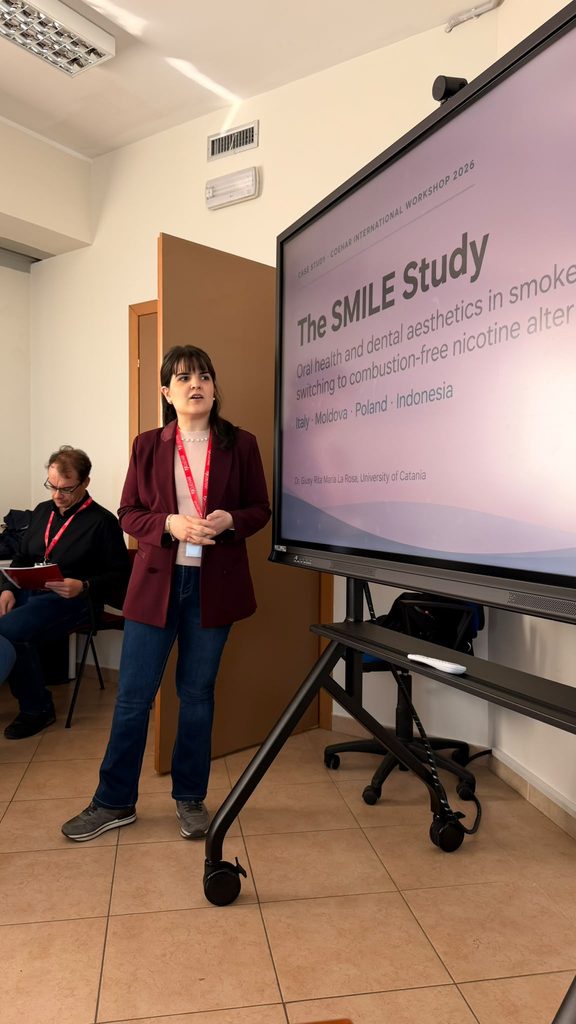
Four flagship CoEHAR initiatives provided the scientific foundation for the programme. Daniela Saitta presented the CoEHAR–UNPAD collaboration, illustrating how a partnership with Indonesia’s University of Padjadjaran evolved into a broader model of scientific cooperation, training, mobility and institutional engagement. Rosalia Emma explored the findings and methodological lessons of REPLICA, the international laboratory study investigating cigarette smoke and electronic nicotine delivery system aerosols, while Giusy La Rosa presented SMILE, the multicentre study examining oral health in relation to smoking and combustion-free alternatives. On the final day, Riccardo Polosa presented DiaSmokeFree initiative and its evolution from international recommendations on smoking cessation and harm reduction for smokers with type 2 diabetes, to scientific consensus and potential implementation in diabetes care. The case studies offered participants concrete examples of how shared protocols, multidisciplinary expertise and international networks can support research with relevance beyond individual institutions.
From Discussion to Hands-On Science
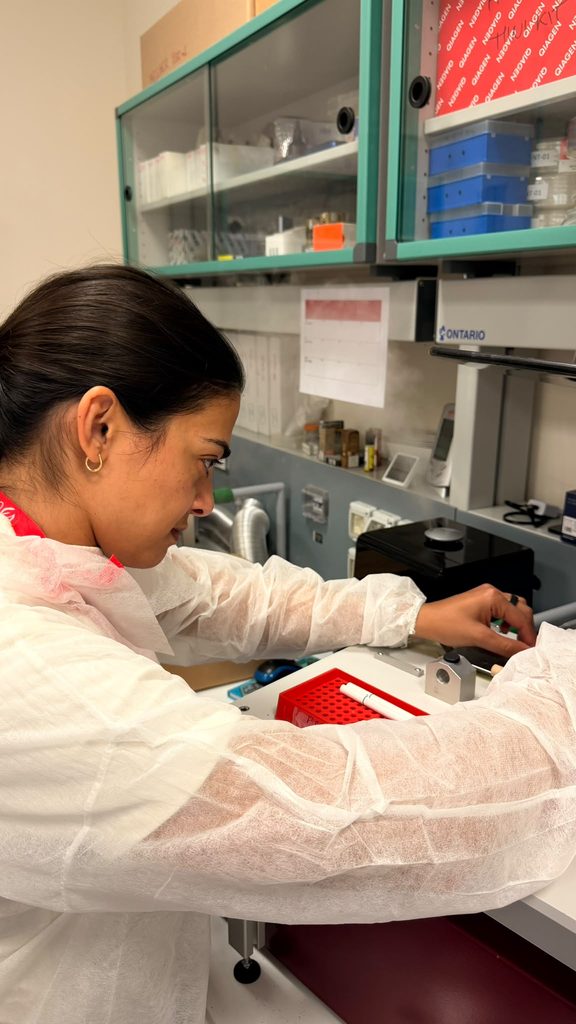
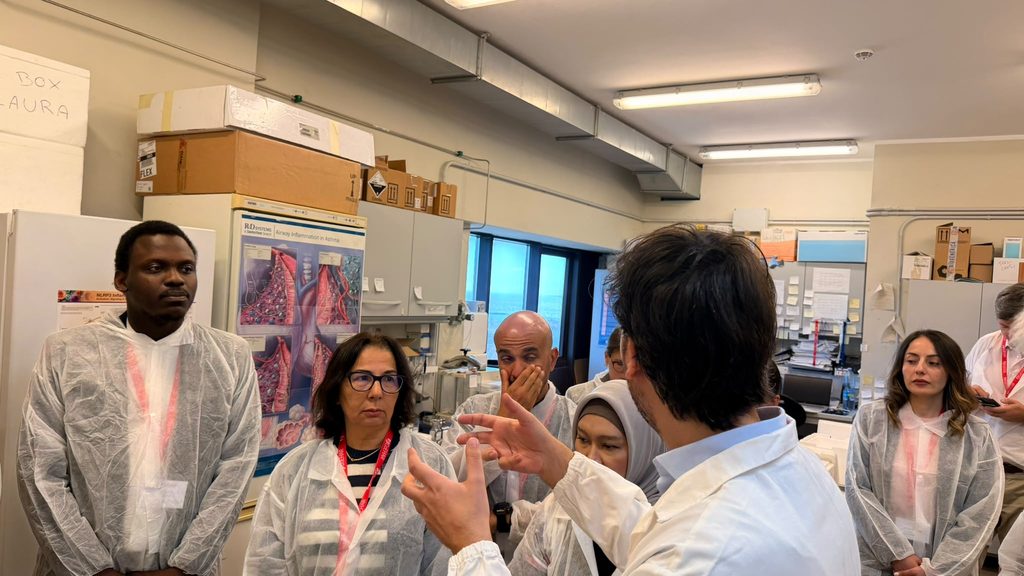
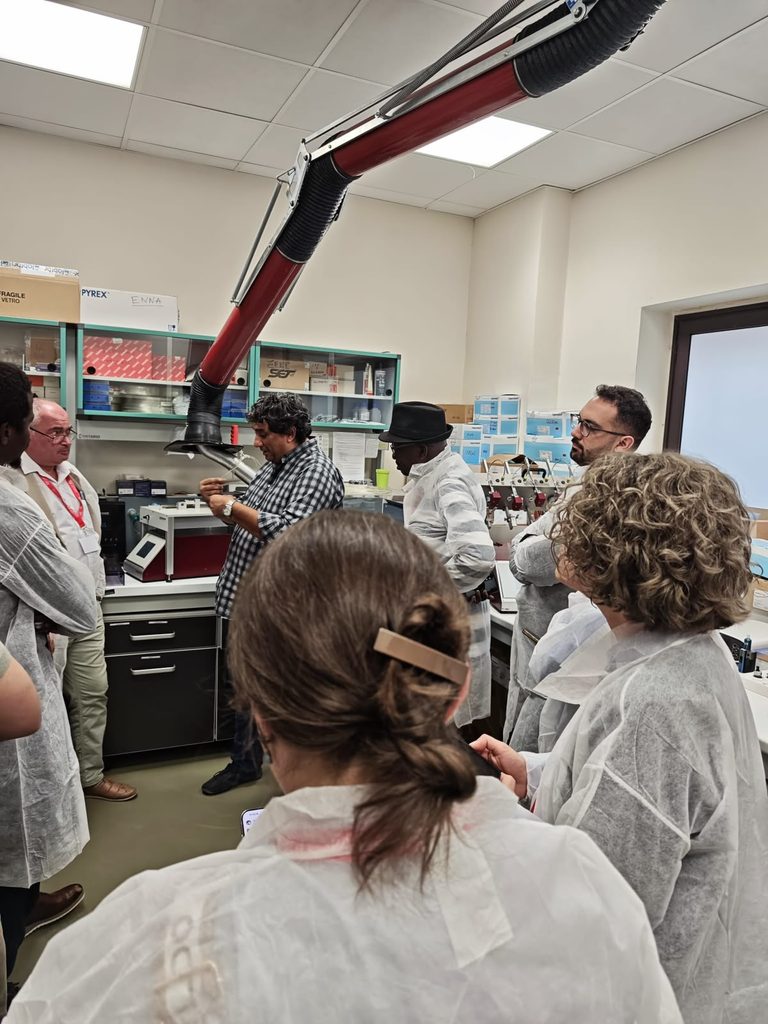
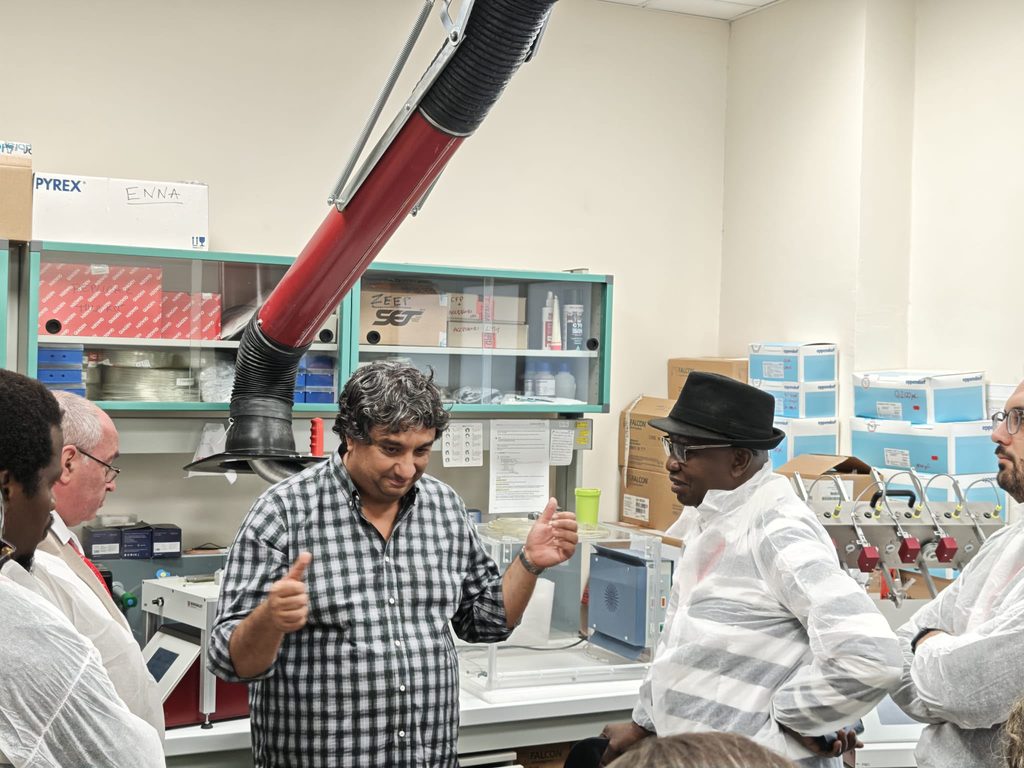
One of the most distinctive features of the workshop was the opportunity for participants to experience CoEHAR’s research environment directly. At the University of Catania, Konstantinos Partsinevelos and Rosalia Emma introduced smoking and vaping exposure systems, while Alfio Distefano and Giuseppe Carota presented biological endpoints, biomarkers and preclinical approaches. Participants then rotated through practical sessions in the Smoking/Vaping and Biotox laboratories, exploring aerosol generation, exposure systems, sample collection and cellular analyses. For visiting researchers, this direct access to laboratory infrastructure created an opportunity rarely available at conventional scientific meetings. Participants could move immediately from discussing a methodological question to seeing how an experiment is performed, comparing approaches with CoEHAR investigators and exploring how protocols could be adapted or replicated within their own institutions.
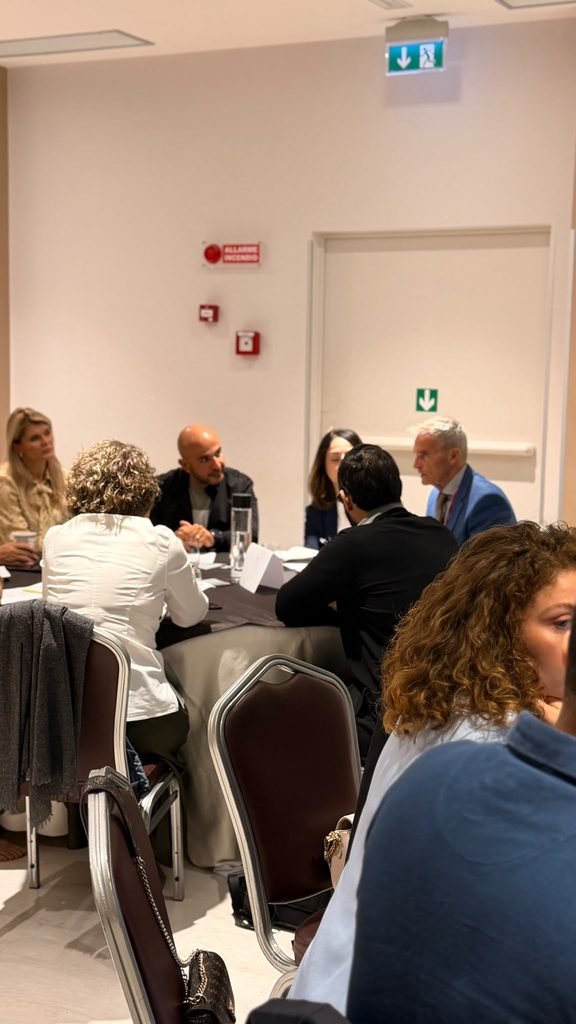
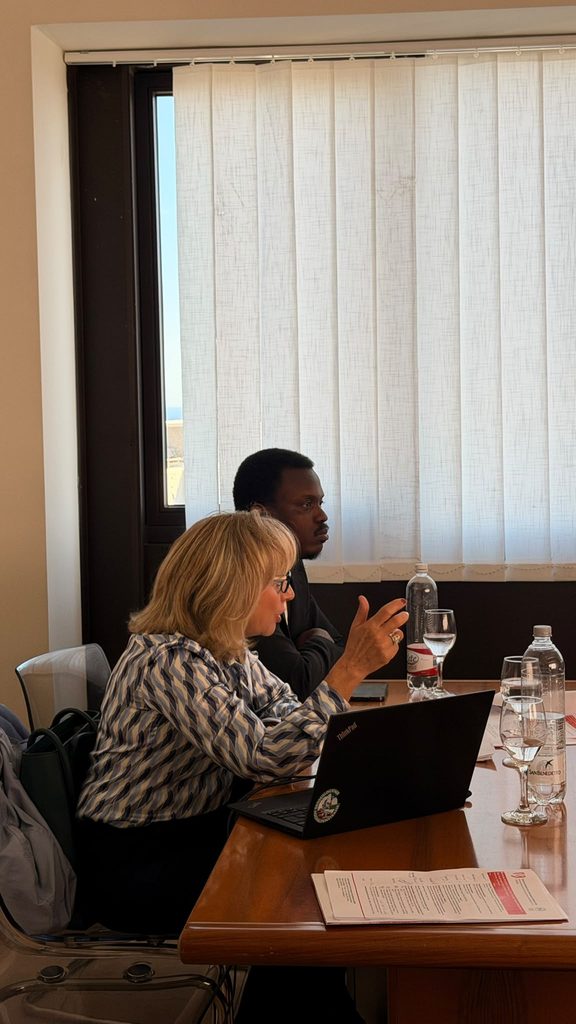
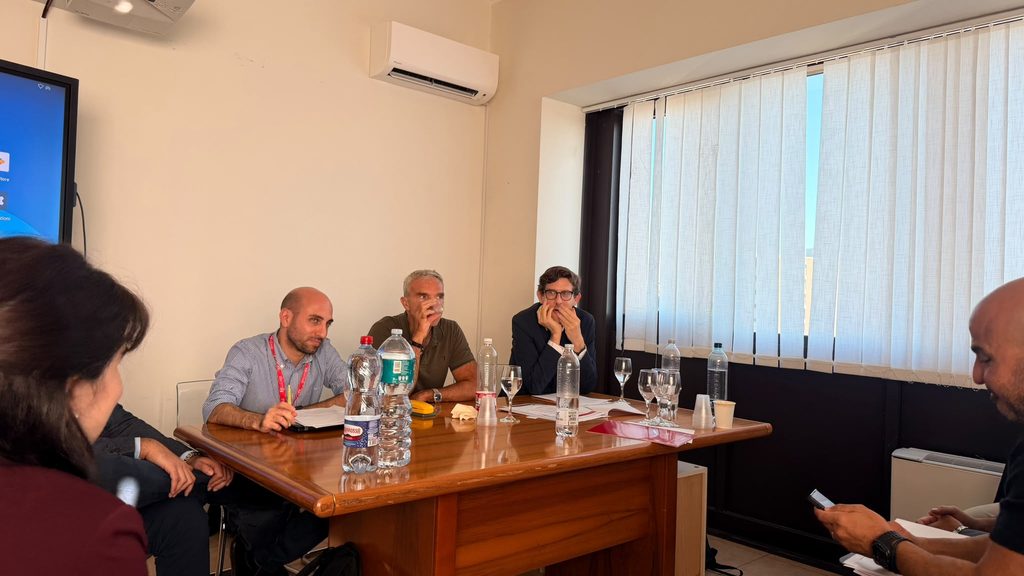
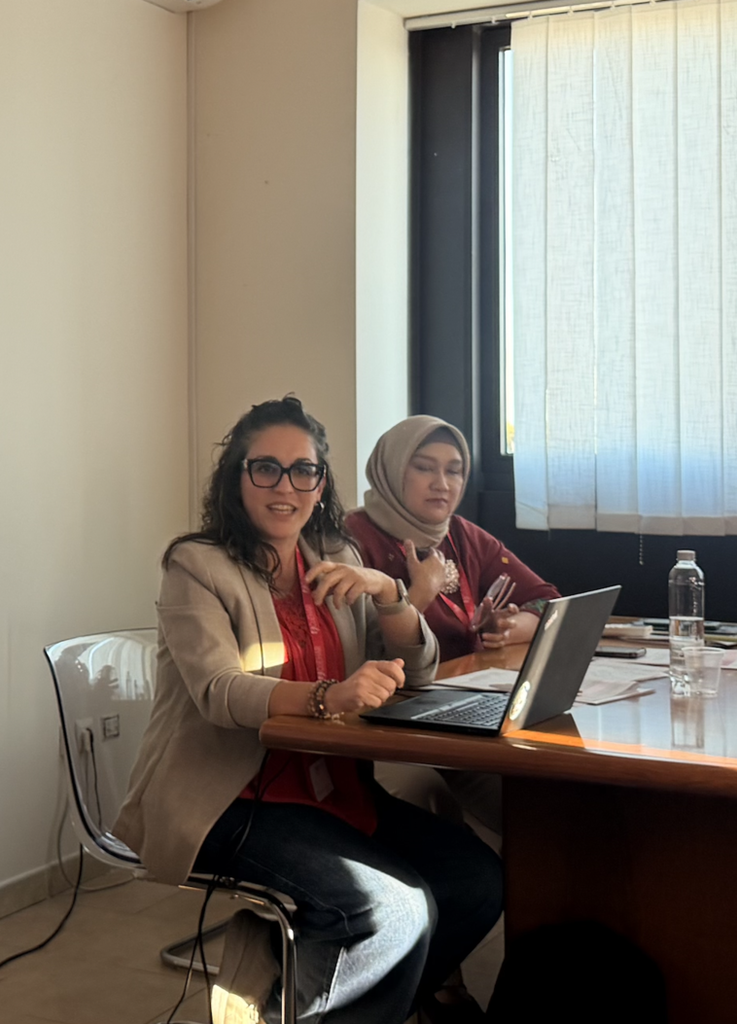
The scientific exchange continued through thematic roundtables covering oral health, cardiometabolic and respiratory health, public health, epidemiology and experimental replication. These were approached not as isolated fields, but as interconnected areas in which multidisciplinary cooperation can generate new questions and more ambitious research programmes. Discussions involved, among others, Amaliya, Davide Capodanno, Walter Currenti, Carlo Bellanca, Venera Tomaselli and Yusuff A. Adebisi, alongside Li Volti, Polosa and the CoEHAR research teams.
These activities encouraged dialogue between different scientific disciplines and helped identify common research interests across participating institutions.
Co-Design: Where New Collaborations Begin
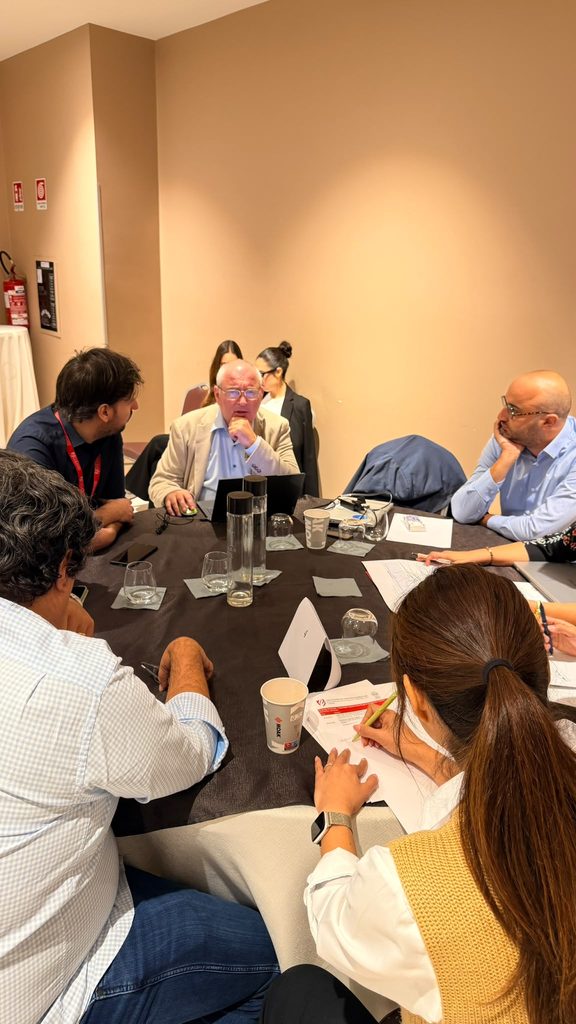
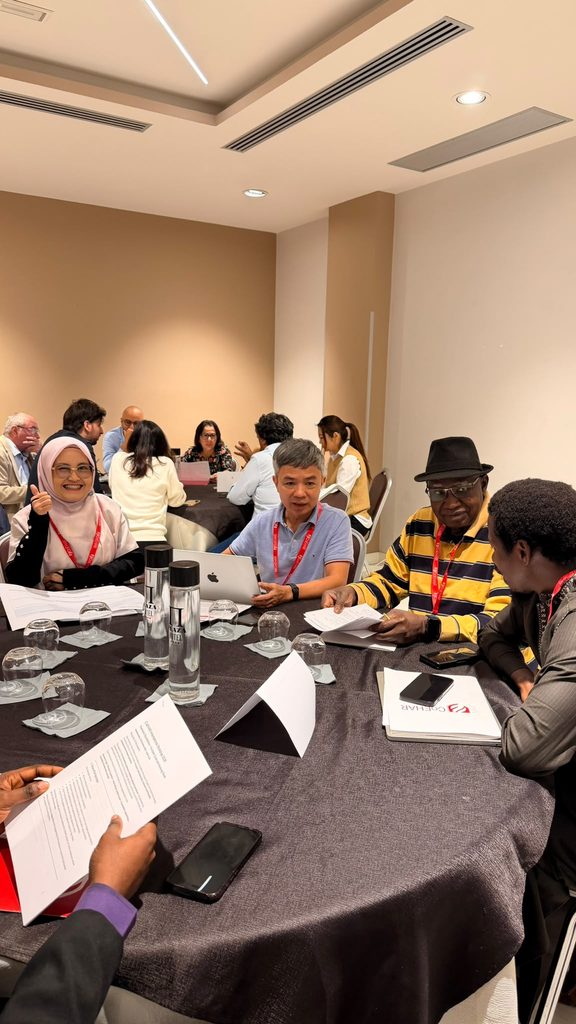
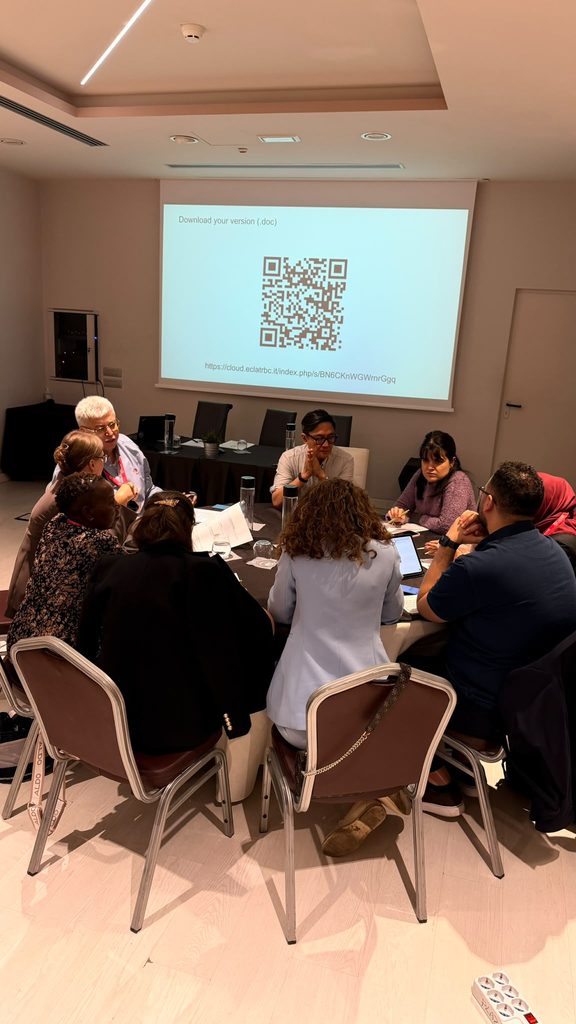
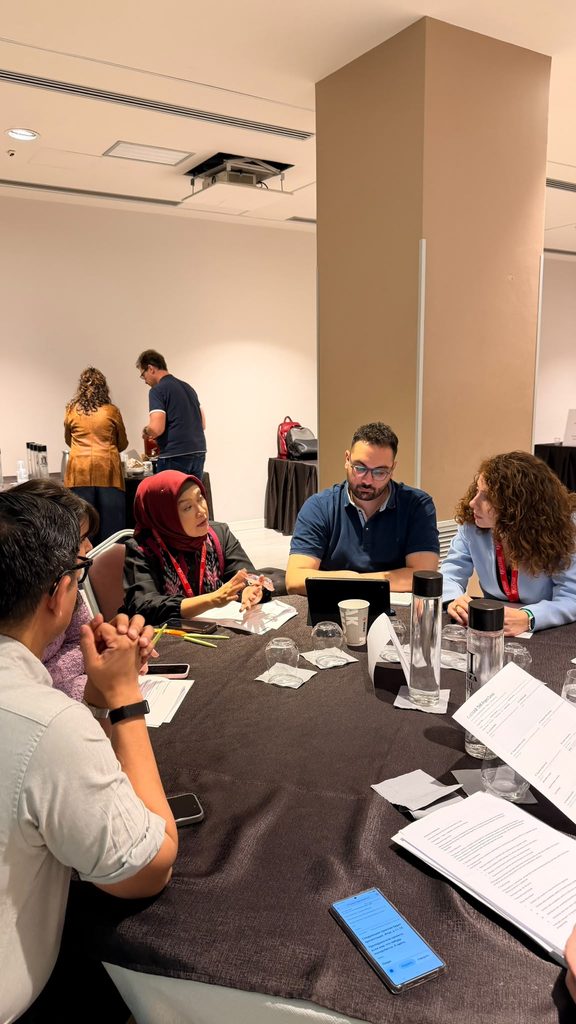
The workshop’s most innovative element took place when participants moved from scientific exchange to research co-design. Facilitated by Jakub Weglarz and Daniela Saitta, international researchers worked alongside CoEHAR experts in four working groups, identifying shared priorities and shaping preliminary concepts for collaborative and multicentre studies. The objective was not to produce fully developed research protocols in a few hours. It was to begin the more demanding process that comes before a successful multicentre study: identifying a relevant scientific question, understanding what each partner can contribute, considering methodological approaches and recognising the practical conditions needed to work together.
This format changed the role of the international guests. They were no longer simply an audience listening to CoEHAR’s experience. They became potential research partners, bringing their own priorities, expertise and perspectives into the conversation.
The groups presented their initial proposals through project pitches, followed by collective discussions on scientific relevance, feasibility and potential funding opportunities. The workshop then concluded with a forward-looking discussion on the CoEHAR Project Pipeline 2027, identifying priorities, potential coordinators and milestones for continued collaboration.
Science, People and the Catania experience
Scientific collaboration also depends on relationships, and the workshop created ample opportunities for those relationships to develop.
A particularly meaningful moment was the warm and informal welcome extended to international participants by the Rector of the University of Catania. His visit reflected the University’s strong commitment to international and multidisciplinary research, while encouraging open dialogue and new connections among researchers from different countries and scientific backgrounds. More than a formal institutional greeting, it was a genuine opportunity for exchange, reinforcing the idea that successful scientific collaboration begins with people.
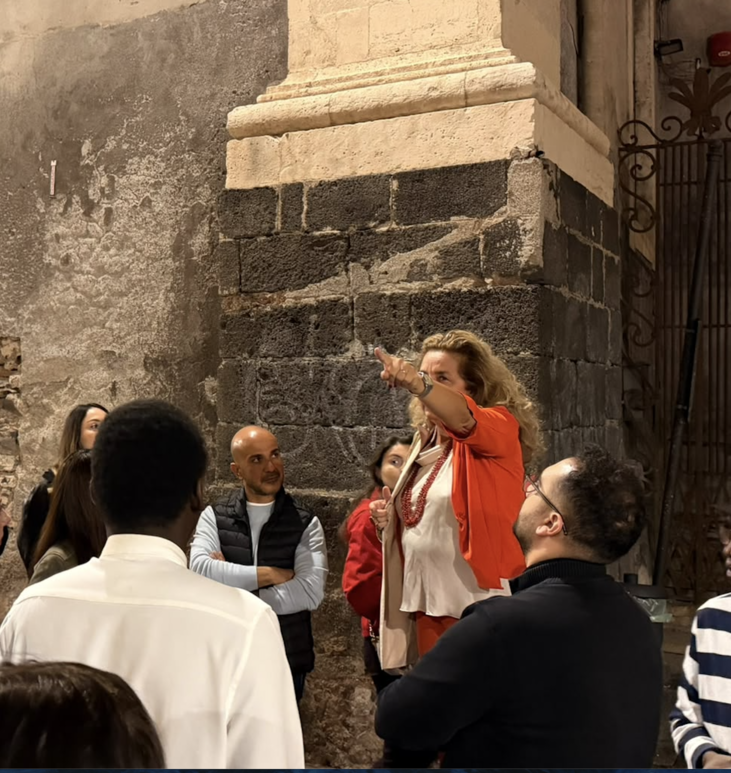
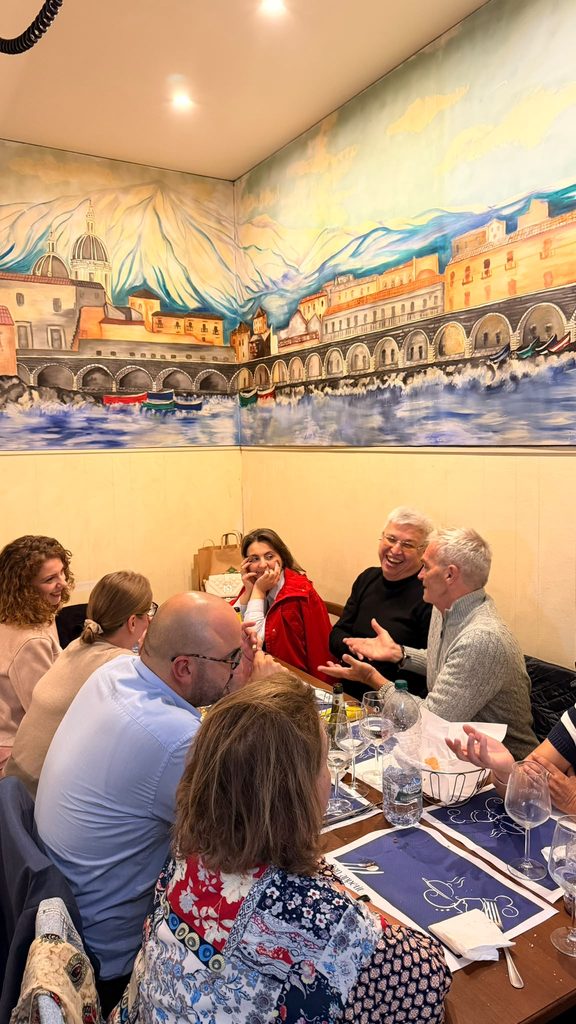
Informal conversations, networking activities and shared experiences in Catania further strengthened these connections, highlighting a principle at the heart of CoEHAR’s international approach: lasting partnerships are built not only on research protocols and institutional agreements, but also on mutual trust, shared ambitions and people willing to work together. Catania provides a particularly natural setting for this model. The combination of a major academic institution, accessible research infrastructure and the distinctive atmosphere of Sicily allows participants to combine intensive scientific work with the informal interactions that often generate the best ideas and most durable collaborations.
For CoEHAR, the workshop represented another step in the development of a truly international research platform. By connecting researchers, clinicians, institutions and scientific infrastructures across countries, the Centre aims to create a growing portfolio of collaborative studies capable of attracting new partners, research funding and international investment.
The next challenge is to transform the ideas developed in Catania into sustainable international programmes. The groundwork has been laid, new research relationships have begun, and several collaborative concepts are already taking shape.
CoEHAR International Workshop 27-29 October 2026 – Programme Overview
Explore the Workshop Gallery